

Tamil Nadu Families Vow Election Boycott After 16 Years Without Basic Amenities
In a powerful protest against governmental neglect, more than 50 families residing in Thirupparaithurai, located within the Tiruchirappalli district of Tamil Nadu, have collectively decided to boycott the upcoming Assembly elections. This drastic action stems from their prolonged suffering without essential basic facilities for an astonishing 16 years, highlighting a severe failure in local governance and public service delivery.
Relocation Without Rehabilitation: A Tale of Abandonment
The residents were originally displaced from their homes near a National Highway due to an expansion project. At that time, the government relocated them to the Nandavanam area in Thirupparaithurai. However, since this relocation, they have been completely forgotten by successive administrations. For over a decade and a half, these families have endured life without access to electricity, safe drinking water, and proper toilet facilities, creating an environment of extreme hardship and health risks.
According to reports from news agency ANI, the residents have submitted numerous petitions to various authorities, pleading for intervention. Despite these efforts, no concrete action has been taken to address their dire situation. The community's frustration has now boiled over, leading to their unprecedented decision to abstain from voting in the forthcoming elections as a form of protest.

Voices from the Ground: Residents Speak Out
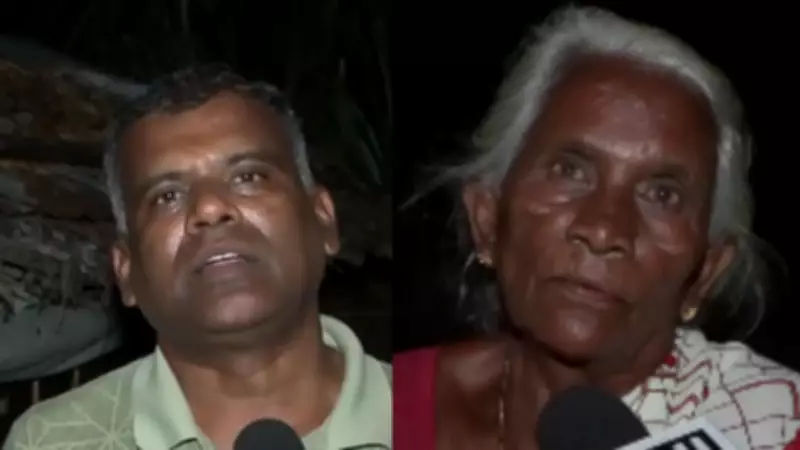
Local resident Thangaraj provided a detailed account of their plight. "The place where you are standing is called Nandavanam, located in Tamil Nadu. For the last 16 years, people here have been living without electricity," he stated. "These residents originally lived near the National Highway, but when the highway was extended, the government of that time relocated them to this spot. Since then, they have been forgotten. Four Chief Ministers have come and gone. No one has provided the basic requirements for human survival, such as electricity or support for agriculture."
Thangaraj emphasized that despite submitting countless petitions to the Tamil Nadu government, their appeals have fallen on deaf ears. "Consequently, the residents have decided to boycott the upcoming election until the government fulfills their request for basic amenities," he declared, underscoring the community's resolve.
Daily Struggles and Election Promises Gone Unfulfilled
Another resident, Saroja, shared her personal experiences, painting a vivid picture of their daily challenges. "For the past 16 years, we have been living in this hut without electricity and toilet facilities," she lamented. "During every election, all political parties make promises, but none of them has fulfilled them. We have been repeatedly neglected and continue to suffer without basic amenities like electricity, drinking water, and sanitation."
Saroja highlighted a particularly dangerous aspect of their living conditions. "Due to the lack of electricity, especially during the rainy season, snakes and other dangerous creatures enter our homes. Without proper lighting, our lives are constantly at risk from these animals," she explained. This lack of basic infrastructure not only compromises their quality of life but also poses serious safety threats.
"Still, no political party has come forward to provide us with even basic facilities. Therefore, we have decided to boycott the upcoming Assembly elections," Saroja concluded, echoing the collective sentiment of her community.
A Broader Implication for Democratic Engagement
This boycott decision raises significant questions about electoral accountability and the responsiveness of political systems to marginalized communities. The residents' action serves as a stark reminder that democratic participation is intrinsically linked to the provision of fundamental rights and services. Their protest underscores a growing disillusionment with political processes when basic needs remain unmet over extended periods.

The situation in Thirupparaithurai reflects a broader issue of urban and rural neglect, where infrastructure development often overlooks the welfare of displaced populations. As the election approaches, this boycott could influence local political dynamics, prompting parties to address long-standing grievances or risk losing electoral support in similar constituencies.
Ultimately, the families' stand is a call for dignity and justice, demanding that their basic human rights be prioritized over political maneuvering. Their story is a poignant example of how grassroots movements can challenge systemic failures, using democratic tools like election boycotts to amplify their voices and seek redressal for enduring injustices.





