Governor Ravi Declares University VC Search Committees Unlawful in Escalating Tamil Nadu Standoff
The ongoing conflict between the Tamil Nadu government and Governor R N Ravi has intensified significantly, with Lok Bhavan, the governor's official residence, declaring on Monday that the vice-chancellor search committees constituted for three prominent state universities are "unlawful" and any appointments made based on their recommendations would be considered invalid.
Constitutional Clash Over University Appointments
This latest development represents a fresh escalation in the protracted power struggle between the state's administrative machinery and the governor's office. The DMK government has responded with strong counter-allegations, accusing Governor Ravi of attempting to unnecessarily interfere with judicial proceedings and suggesting that his actions could potentially amount to contempt of court.
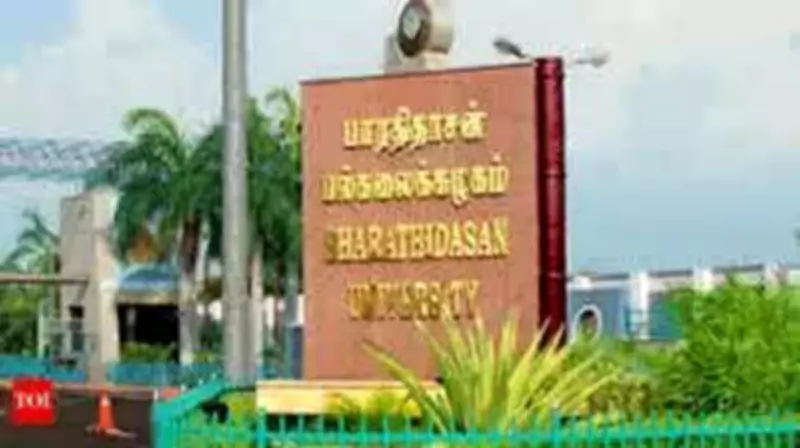
The controversy centers specifically on search committees formed for three significant Tamil Nadu universities: Bharathidasan University, Bharathiyar University, and Periyar University. These committees had recently resumed their work following a government communication on December 21 that extended their tenure, with interviews already conducted for Periyar University on January 24 and Bharathidasan University on January 27.

Legal Basis of the Governor's Objection
Lok Bhavan has based its declaration on what it describes as clear violations of the University Grants Commission (UGC) regulations from 2018. According to the governor's office, these regulations mandate the inclusion of a nominee by the UGC chairman in every search panel, a requirement that it claims has not been fulfilled in the current committee formations.
The governor's statement specifically cited the Supreme Court of India's January 30 ruling in the case of S Mohan vs Secretary to the Chancellor, Puducherry Technological University, which affirmed the binding nature of UGC regulations and their supremacy over conflicting state enactments. "The binding nature of these regulations and their supremacy over conflicting state enactments has been affirmed by the Supreme Court of India," Lok Bhavan emphasized in its official communication.
Complex Judicial Context
The situation is further complicated by ongoing judicial proceedings at multiple levels. The search committees had initially stalled their work in May after the Madras High Court stayed amendments to state laws that had curtailed the governor's power in vice-chancellor appointments. However, the government has maintained that the high court's interim stay did not specifically restrain the committees from functioning or from preparing panels of names for VC appointments.
Lok Bhavan countered this interpretation, stating that "the interim orders of the high court remain in force" and noting that the matter is currently pending before the Supreme Court. The governor's office argued that any proceeding in this context would be "contrary to the spirit of the binding judicial pronouncements."
Political Reactions and Committee Perspectives
DMK sources have characterized the governor's intervention as a deliberate attempt to disrupt judicial proceedings. Rajya Sabha MP Wilson told media outlets on Monday that "the governor is trying to interfere with proceedings before the court" and suggested that such actions could potentially lead to contempt proceedings.
Within the search committees themselves, perspectives appear divided. One committee member revealed that the higher education department had informed them that the shortlisted names would be submitted before the court. However, a convenor of one committee, who is also a retired bureaucrat, offered a different interpretation: "The court will only be informed that the search committees have completed their process, and no names will be submitted."

Impending Supreme Court Resolution
The Supreme Court is scheduled to hear a special leave petition filed by the Tamil Nadu government on February 4, which is expected to provide crucial clarity on this constitutional impasse. Lok Bhavan noted in its statement that "despite the pendency of these proceedings, government orders have been issued extending the tenure of the search committees and granting further time to recommend panels of names."
This ongoing confrontation represents more than just an administrative disagreement—it highlights fundamental questions about the distribution of powers between state governments and governors in India's federal structure, particularly in matters of higher education governance. The outcome of the Supreme Court hearing next month will likely have significant implications for university administration across Tamil Nadu and potentially set precedents for similar conflicts in other states.