Tungabhadra Dam Crest Gate Installation Progresses with 26 Gates in Place
In a significant development for Karnataka's water management infrastructure, the Tungabhadra Board dam has reached a crucial milestone in its ongoing renovation project. According to official sources, 26 out of the 33 new crest gates have been successfully installed at the dam site. This progress marks a substantial step forward in enhancing the dam's operational efficiency and safety standards.
Remaining Gates to Be Fixed by End of April 2026
The installation work is progressing according to schedule, with the remaining seven crest gates slated for completion by the end of this month, April 2026. The sources confirmed that all old gates have been completely removed, clearing the way for the new installations. This removal process was a critical preparatory phase, ensuring that the dam's structural integrity is maintained during the transition.
Fabrication Activities Underway in Hosapete
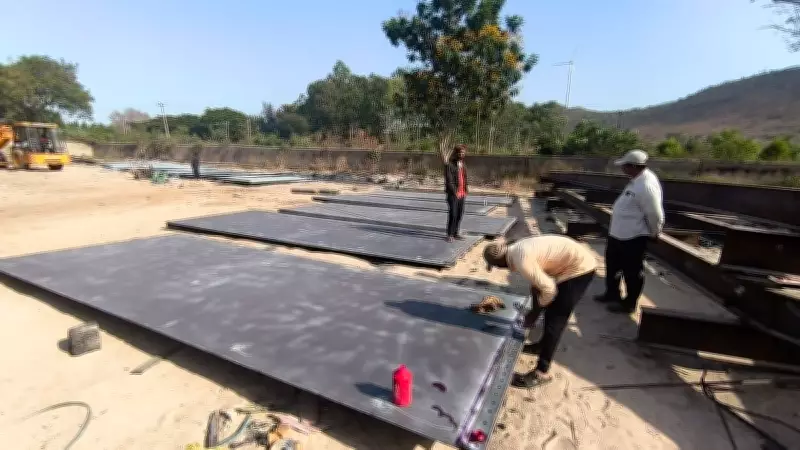
Simultaneously, fabrication work for one of the gates is actively ongoing in Hosapete, a key industrial hub in the region. This local manufacturing effort underscores the project's commitment to supporting regional industries and ensuring timely delivery of components. The integration of locally fabricated gates is expected to streamline the installation process and reduce logistical delays.

The Tungabhadra dam, a vital resource for irrigation and water supply in Karnataka, is undergoing this comprehensive upgrade to modernize its flood control mechanisms and improve water regulation capabilities. The replacement of crest gates is a core component of this initiative, aimed at bolstering the dam's resilience against extreme weather events and aging infrastructure challenges.
Officials have emphasized that the project is on track to meet its deadlines, with rigorous quality checks in place to ensure the new gates meet all safety and performance standards. Once completed, the upgraded dam is anticipated to enhance water management for agricultural and domestic use across the region, contributing to sustainable development goals.
This infrastructure enhancement aligns with broader state efforts to invest in critical water resources, reflecting a proactive approach to climate adaptation and resource optimization. Stakeholders, including local communities and agricultural sectors, are closely monitoring the progress, hopeful for improved water security and operational reliability.