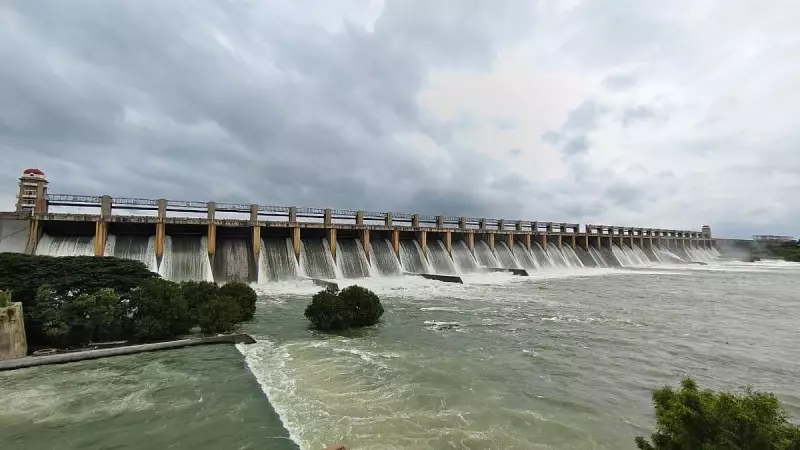
A major infrastructure project vital for water security and dam safety in Karnataka is set to commence. The long-awaited work to replace all 33 radial crest gates of the historic Tungabhadra Dam is scheduled to begin on Wednesday, marking a significant step in the structure's maintenance and modernization.
Project Details and Financial Outlay
The ambitious project carries a sanctioned cost of ₹130 crore. The contract for this critical work has been awarded to a consortium comprising Pune-based BHEL and Hyderabad-based SEW Infrastructure. The replacement process is a meticulous one, planned to be executed in three distinct phases to ensure the dam's continuous operation and water release capabilities are not severely hampered.
According to the plan, 11 gates will be replaced in the first phase. This initial stage is expected to take approximately eight months to complete. The entire project, covering all 33 gates, is projected to have a total duration of about two years. Officials from the Water Resources Department have confirmed that the necessary preparatory work, including the mobilization of machinery and materials, has been finalized, paving the way for the physical work to start imminently.

Addressing Long-Standing Safety Concerns
The decision to undertake this massive replacement project stems from persistent concerns regarding the aging infrastructure. The existing radial crest gates, which are crucial for controlling the reservoir's water level and managing floods, have been in operation for over seven decades. Their advanced age has led to issues of wear, tear, and operational difficulties, raising alarms about long-term safety and efficiency.
Local representatives and communities have been vocal about these concerns for several years. The project initiation follows a series of inspections and reviews by dam safety authorities, culminating in the approval for a full-scale replacement. The new gates are expected to incorporate modern engineering standards and materials, significantly enhancing the dam's operational reliability and safety margins for the surrounding regions of Koppal and beyond.
Impact on Water Management and Local Communities
The Tungabhadra Dam is a lifeline for irrigation and drinking water in the region. The phased approach to gate replacement has been specifically designed to minimize disruption to water release schedules. Authorities have assured farmers and dependent districts that water supply for irrigation and other needs will be managed carefully throughout the construction period.
While the work is underway, some temporary adjustments to water release protocols may be necessary. However, the department's primary focus remains on ensuring that the dam continues to fulfill its vital functions. The successful completion of this project will not only secure the dam's structural integrity but also ensure its continued role in supporting agriculture, providing drinking water, and mitigating flood risks for future generations.
The commencement of this gate replacement is being hailed as a proactive measure in infrastructure management. It underscores the state's commitment to investing in and preserving critical water resources infrastructure, which forms the backbone of the agrarian economy in this part of Karnataka.