UP Congress Chief Barred from Visiting Bereaved Family in Muzaffarnagar
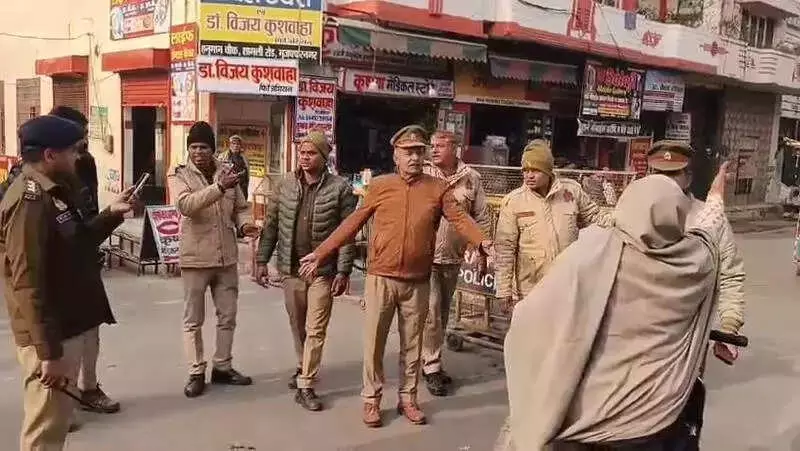
Police officials stopped Uttar Pradesh Congress president Ajay Rai at the Meerut-Muzaffarnagar border on Thursday. He was traveling to meet the family of Rohit Kashyap, a man in his twenties who was killed on January 5th. Law enforcement authorities cited concerns about maintaining public order as the reason for halting his journey.
Congress Workers Stage Protest After Police Action
Following the police intervention, Congress party workers immediately staged a protest. They expressed strong disapproval of the authorities preventing their leader from reaching the grieving family. Rai was subsequently taken to the Bhagela police outpost. From there, he managed to speak with Kashyap's family members over a telephone call.
Rai accused the state government of trying to suppress the incident. He alleged a clear misuse of police power to block opposition leaders from offering condolences to the bereaved family. This killing has ignited significant protests across the region over the past several days.

Series of Protests and Political Confrontations
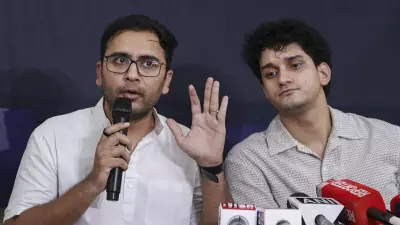
On January 12th, Kashyap's own family organized a protest at the District Magistrate's office in Muzaffarnagar. They demanded justice for their lost relative. Protests erupted again in Muzaffarnagar the very next day. Several opposition figures, including Chandrashekhar and Samajwadi Party MP Harendra Malik, found themselves stopped by police when they tried to reach the family.
The situation escalated on January 13th. Some Samajwadi Party leaders went to Muzaffarnagar to offer their condolences. Police stopped them, which led to a brief but tense commotion. In response, the district administration deployed additional police personnel throughout the city to maintain control.
Opposition Leaders Decry Excessive Restrictions
Samajwadi Party leader Atul Pradhan was also prevented from visiting the family. He criticized the police restrictions as being excessive and unwarranted. "Public representatives are being systematically stopped from meeting the victim's family," Pradhan stated. "Even leaders affiliated with the ruling party were reportedly asked to turn back."
Pradhan confirmed that SP leaders eventually met the family at a nearby alternative location. They held discussions and offered support. He added that party president Akhilesh Yadav had announced financial assistance of two lakh rupees for the family. Party workers were tasked with delivering this aid to them.
Police Assure Action in the Murder Case
Meanwhile, Senior Superintendent of Police for Muzaffarnagar, Sanjay Kumar Verma, provided an update on the investigation. He stated that he and the Muzaffarnagar District Magistrate had personally met the family. They informed them about the actions taken so far in the case.
Police officials confirmed the accused individual has been taken into custody. He has been remanded to judicial custody. "Strong and decisive action will be taken in this matter," SSP Verma assured the public and the victim's family.
Details of the Tragic Incident Emerge
The family described Kashyap as a resident of Muzaffarnagar. On January 5th, he was traveling to Sardhana in Meerut district in an auto-rickshaw. He was going to meet relatives and was carrying cash and other personal belongings.
According to police accounts, the auto-rickshaw driver overheard Kashyap speaking on his phone. The driver later befriended him. The two men consumed liquor together, after which a quarrel broke out between them. Tragically, Kashyap was killed following the altercation. His body was allegedly set on fire in an attempt to destroy evidence.
A police officer in Meerut detailed the legal charges. A case has been registered at the Sardhana police station. It includes sections for murder and for causing the disappearance of evidence or providing false information to shield an offender under the relevant legal statutes.