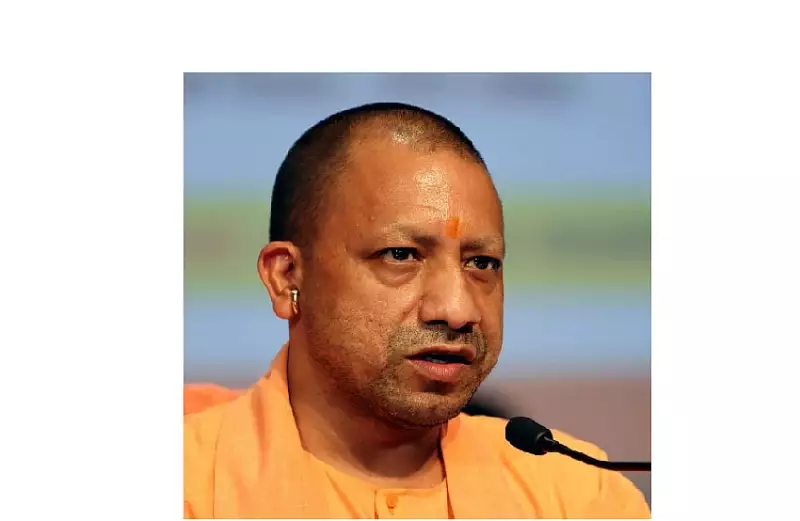
In a landmark achievement for India's renewable energy sector, the state of Uttar Pradesh has made a historic leap in solar power generation. Under the leadership of Chief Minister Yogi Adityanath, the state has successfully harnessed solar energy to illuminate millions of homes and significantly reduce its carbon footprint, setting a new benchmark for sustainable development.
A Quantum Leap in Solar Capacity
The most compelling evidence of this transformation is the staggering increase in installed solar capacity. From a modest 462 Megawatts (MW) in 2017, the state has catapulted its capacity to an impressive over 3,200 MW by 2024. This represents a growth of nearly seven times in just seven years, a pace rarely seen in the energy sector of a state as populous as Uttar Pradesh.
This massive infusion of clean energy is now powering approximately 1.4 crore (14 million) households across the state. The environmental impact is equally profound, with the state avoiding an estimated 1.2 crore tonnes of carbon dioxide emissions. This reduction is akin to taking millions of petrol-powered cars off the road for a year, marking a significant contribution to India's climate commitments.

Strategic Initiatives and Policy Framework
This success is not accidental but the result of a focused, multi-pronged strategy implemented by the Yogi Adityanath government. The Uttar Pradesh New and Renewable Energy Development Agency (UPNEDA) has been the driving force behind this mission. A key policy that fueled rapid adoption was the Uttar Pradesh Solar Energy Policy 2022, which created an attractive and stable framework for investors and consumers alike.
The government's approach targeted all segments of the solar market:
- Utility-Scale Projects: Large solar parks and plants feeding directly into the state grid.
- Rooftop Solar: Aggressive promotion of solar panels on residential, commercial, and industrial buildings.
- Off-Grid Solutions: Solar pumps for farmers and decentralized systems for remote areas, ensuring energy access and supporting agriculture.
This comprehensive model ensured that the benefits of solar power reached from dense urban centers to the most remote villages, democratizing access to clean energy.
Economic and Social Impact
The ripple effects of this solar revolution extend far beyond just generating electricity. The state has attracted massive investments in the renewable sector, creating thousands of jobs in manufacturing, installation, and maintenance. For farmers, the adoption of over 1.5 lakh solar agricultural pumps has been a game-changer, reducing dependency on erratic grid power and expensive diesel, thereby lowering the cost of cultivation and enhancing productivity.
For the common citizen, rooftop solar has emerged as a tool for financial savings by cutting down electricity bills. On a macro level, the state has bolstered its energy security, reduced its reliance on fossil fuel imports, and positioned itself as a leader in the national mission for a self-reliant India (Atmanirbhar Bharat) in the energy domain.
The journey, as outlined by UPNEDA officials, involved overcoming significant challenges such as land acquisition, grid integration, and creating consumer awareness. The government's consistent policy support and proactive resolution of bottlenecks were critical in maintaining the project's momentum.
The Road Ahead for a Greener Uttar Pradesh
Uttar Pradesh's solar story is still unfolding. Buoyed by the success of the past seven years, the state has set even more ambitious targets for the future, aiming to add several more gigawatts of solar capacity. The focus is now on innovative areas like floating solar plants on water bodies, solarizing all government buildings, and integrating solar with other sectors like transportation and housing.

This historic leap under CM Yogi Adityanath's governance demonstrates that a large, developing state can successfully pivot towards a sustainable energy future. It provides a replicable model for other Indian states, proving that economic development and environmental stewardship can go hand in hand. As Uttar Pradesh continues to shine brighter with solar energy, it lights the path for India's green energy transition, contributing powerfully to the global fight against climate change while empowering its citizens with clean, affordable, and reliable power.