Uttarakhand Government Explores Registration Fee for Char Dham Yatra Pilgrims
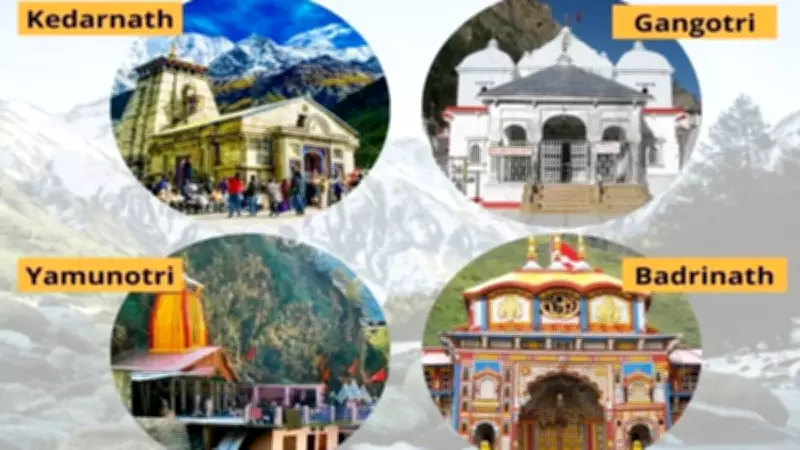
The Uttarakhand government is actively considering the introduction of a registration fee for pilgrims undertaking the revered Char Dham Yatra. This significant pilgrimage circuit, which includes the sacred sites of Yamunotri, Gangotri, Kedarnath, and Badrinath, attracts millions of devotees annually. In a move aimed at enhancing infrastructure and managing the massive influx of visitors, the state administration has formed a dedicated committee to deliberate on the specifics of this proposed fee.
Committee Formed to Determine Fee Structure and Implementation
A high-level committee has been established by the Uttarakhand government to thoroughly assess and decide upon the appropriate registration fee amount for the Char Dham Yatra. This committee is tasked with evaluating various factors, including the operational costs associated with maintaining pilgrimage facilities, ensuring environmental sustainability, and improving safety measures along the challenging routes. The panel will also consider the socio-economic impact on pilgrims and propose a fee structure that balances revenue generation with accessibility for all devotees.
The primary objectives behind this initiative are to streamline crowd management, fund critical infrastructure upgrades, and preserve the ecological balance of the Himalayan region. By implementing a registration system, authorities aim to better regulate the flow of pilgrims, reduce congestion at key sites, and enhance the overall experience for visitors. The committee's recommendations are expected to cover not only the fee amount but also the modalities of collection, potential exemptions for certain groups, and the integration of this system with existing online registration portals.

Potential Impacts on Pilgrimage and Local Economy
The introduction of a registration fee could have far-reaching implications for the Char Dham Yatra and the local economy of Uttarakhand. On one hand, it may provide a steady revenue stream to support essential services such as sanitation, medical aid, and road maintenance, which are crucial for the safety and comfort of pilgrims. This move aligns with broader efforts to promote sustainable tourism and protect the fragile mountain ecosystem from over-tourism.
However, concerns have been raised about the potential financial burden on pilgrims, particularly those from economically disadvantaged backgrounds. The committee is likely to address these issues by exploring tiered pricing models or waivers. Additionally, the registration process could facilitate better planning and resource allocation, potentially reducing incidents of accidents and health emergencies during the yatra. Local businesses, including hotels, transport operators, and vendors, might experience shifts in demand depending on how the fee influences pilgrimage numbers.
As the committee deliberates, stakeholders including religious organizations, tourism boards, and community leaders are expected to provide input to ensure a balanced approach. The Uttarakhand government's decision will be closely watched, as it could set a precedent for managing other major pilgrimages in India. The final outcome aims to foster a more organized, safe, and spiritually enriching journey for all devotees visiting the Char Dham shrines.