

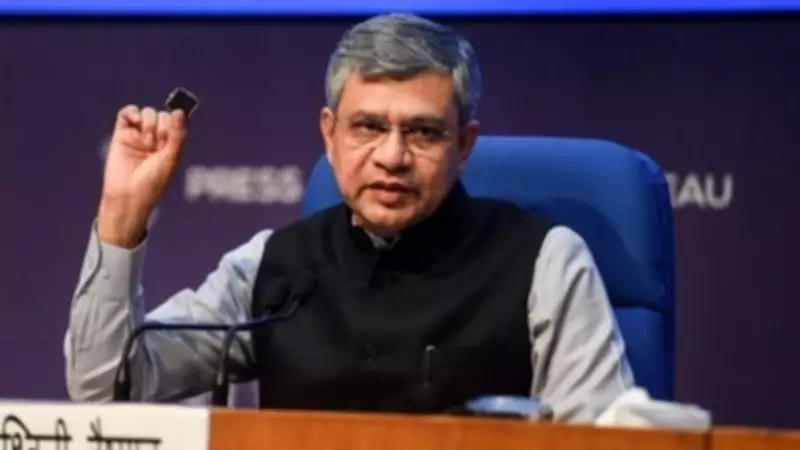
Vaishnaw Defends Union Budget, Terms Siddaramaiah's Critique as Myopic
Railway Minister Ashwini Vaishnaw has strongly rebuked Karnataka Chief Minister Siddaramaiah's recent criticism of the Union Budget, describing it as "myopic" and lacking in vision. The remarks came during a public address in Karnataka, where Vaishnaw emphasized the budget's comprehensive focus on national infrastructure and long-term economic growth.
Budget Focus on Development and Infrastructure
Vaishnaw highlighted that the Union Budget, presented by Finance Minister Nirmala Sitharaman, prioritizes key sectors such as railways, highways, and digital connectivity. He argued that Siddaramaiah's critique overlooks the budget's strategic investments aimed at boosting India's economic resilience and creating employment opportunities across states, including Karnataka.
"The budget is designed to lay a strong foundation for the future, with significant allocations for infrastructure projects that will benefit all regions," Vaishnaw stated. He pointed out that Karnataka has received substantial funding for railway upgrades and other developmental works under the current fiscal plan.

Political Tensions and Regional Implications
The exchange underscores ongoing political tensions between the central government and the Congress-led administration in Karnataka. Siddaramaiah had earlier criticized the budget for allegedly neglecting state-specific needs and failing to address issues like farmer distress and unemployment adequately.
In response, Vaishnaw accused the Chief Minister of engaging in partisan politics rather than recognizing the budget's broader benefits. "Such criticism is short-sighted and does a disservice to the people of Karnataka, who stand to gain from enhanced infrastructure and economic initiatives," he added.
Broader Context and Future Outlook
This debate occurs amid preparations for upcoming state and national elections, where economic policies and development agendas are likely to be key points of contention. Vaishnaw's defense aligns with the central government's narrative of promoting a unified development model, while Siddaramaiah's stance reflects regional demands for greater fiscal autonomy and tailored solutions.
Experts suggest that such disagreements may influence public perception and political strategies in Karnataka, a crucial state in India's economic and political landscape. The focus remains on how both sides will navigate these differences to address the state's developmental challenges effectively.






