

Varanasi Temple Embraces PNG to Overcome LPG Shortage for Prasad Preparation
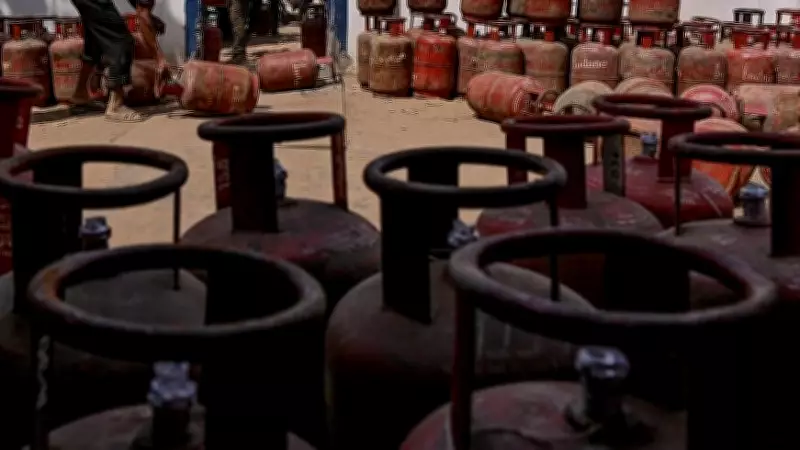
In a significant move to address a pressing energy crisis, a prominent temple in Varanasi, Uttar Pradesh, has transitioned to using Piped Natural Gas (PNG) for cooking prasad, the sacred food offering. This shift comes as a direct response to a severe shortage of Liquefied Petroleum Gas (LPG) cylinders, which had begun to disrupt the daily distribution of prasad to devotees.
Background of the LPG Crisis Impacting Religious Practices
The temple, located in the spiritual heart of Varanasi, traditionally relied on LPG cylinders to prepare large quantities of prasad for thousands of visitors daily. However, recent supply chain disruptions and logistical issues led to an acute LPG shortage, threatening the continuity of this essential religious ritual. Prasad distribution is a cornerstone of temple activities, symbolizing divine blessings and community sharing.
The adoption of PNG represents a proactive solution to ensure that prasad preparation remains uninterrupted. PNG, supplied through a pipeline network, offers a more stable and continuous fuel source compared to LPG cylinders, which are prone to delivery delays and stockouts. This change not only safeguards religious functions but also aligns with broader efforts to promote cleaner and more reliable energy alternatives in India.

Implications for Energy Infrastructure and Cultural Heritage
This development underscores the intersection of infrastructure challenges and cultural practices in India. Varanasi, a city of immense religious significance, often faces unique logistical hurdles due to its high visitor influx and ancient urban layout. The temple's switch to PNG highlights how modern energy solutions can be integrated into traditional settings to preserve heritage activities.
Experts note that such initiatives could serve as a model for other religious institutions grappling with similar issues. By leveraging PNG, temples can reduce dependency on volatile LPG supplies, potentially lowering operational costs and minimizing environmental impact through reduced emissions. However, this transition requires accessible PNG infrastructure, which may not be available in all regions, pointing to the need for expanded energy networks.
Community Response and Future Outlook
Devotees and local residents have largely welcomed the change, appreciating the temple's efforts to maintain prasad distribution without compromise. The seamless integration of PNG has allowed the temple to continue its rituals smoothly, reinforcing its role as a pillar of the community.
Looking ahead, this case may inspire further innovations in how religious and cultural sites manage resources. As India advances its energy security goals, the blend of tradition and technology, as seen in Varanasi, could pave the way for more sustainable practices nationwide. The temple's experience also raises awareness about the importance of resilient energy systems in supporting not just economic activities but also cultural and spiritual life.






