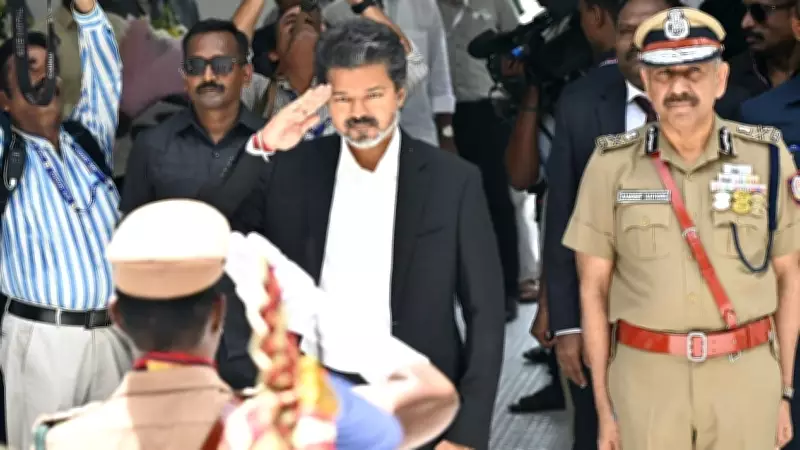
In a significant political development in Tamil Nadu, Chief Minister Vijay secured a decisive victory in the trust vote moved in the state assembly on Wednesday. The motion garnered support from 144 MLAs, comfortably surpassing the majority mark, while only 22 MLAs from the AIADMK faction led by Edappadi K Palaniswami voted against the government.
Support from Allies and Opposition
The ruling party received crucial backing from the Congress and Left parties, which played a pivotal role in ensuring the motion's success. The Congress party, with its legislative strength, and the Left parties, including the CPI and CPI(M), extended their support to the government, reinforcing the coalition's stability.
DMK's Walkout
The DMK, the principal opposition party, chose to stage a walkout just before the voting, protesting what they termed as undemocratic proceedings. The walkout was led by DMK leader and former Chief Minister M.K. Stalin, who accused the government of suppressing dissent and rushing through the trust vote without proper debate.

The DMK's absence from the voting floor reduced the opposition's numerical strength, making the government's path to victory smoother. However, the party later criticized the trust vote as a mere formality to consolidate power.
AIADMK's Opposition
The AIADMK, under Edappadi K Palaniswami's leadership, was the only major party to vote against the motion. The 22 MLAs from the Palaniswami faction stood in opposition, citing lack of confidence in the government's ability to handle key issues such as law and order and economic development.
Palaniswami, in his speech before the vote, accused Vijay of failing to deliver on promises and mismanaging the state's affairs. He called for early elections, claiming the government had lost its mandate.
Political Implications
The trust vote victory solidifies Vijay's position as Chief Minister, at least for the near term. The support from Congress and Left parties indicates a broader coalition that could shape future policy directions. However, the DMK's walkout and AIADMK's continued opposition suggest that political tensions remain high in the state.
Political analysts note that the trust vote outcome reflects the fragmented nature of Tamil Nadu politics, with multiple parties aligning based on immediate interests. The government will need to navigate these alliances carefully to ensure stability and governance.
The trust vote was necessitated after the previous government fell, leading to Vijay's ascension as Chief Minister. The new government has outlined priorities including economic revival, infrastructure development, and social welfare schemes.
With the trust vote behind him, Vijay is expected to focus on cabinet expansion and legislative agenda for the upcoming sessions. The coming weeks will be crucial as the government seeks to implement its policies while managing a diverse coalition.