Kerala Chief Minister Condemns BJP's Silence on Pastor Assault Incident in Odisha
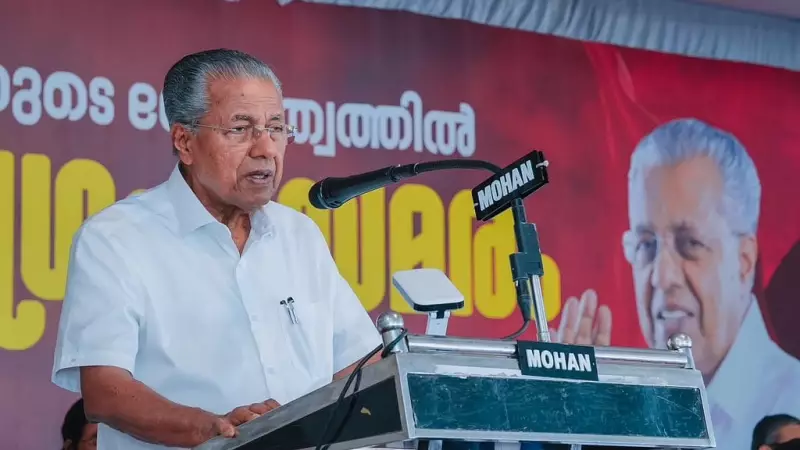
In a strongly worded statement, Kerala Chief Minister Pinarayi Vijayan has sharply criticized the Bharatiya Janata Party (BJP) for its perceived silence regarding a recent assault on a pastor in Odisha. The incident, which has sparked widespread concern, involves an attack on a Christian religious leader, raising questions about religious freedom and safety in the region.
Details of the Assault and Political Reactions
The assault occurred in Odisha, where the pastor was reportedly targeted in a violent incident that has drawn condemnation from various quarters. Vijayan, known for his vocal stance on secularism and minority rights, pointed out the BJP's lack of public response to the event. He emphasized that such silence from a major national political party could be interpreted as tacit approval or indifference towards acts of violence against religious minorities.
This criticism comes amid ongoing debates in India about the protection of religious freedoms and the role of political parties in addressing communal issues. Vijayan's remarks highlight a broader concern that incidents like these might undermine the country's secular fabric and democratic values.

Implications for Religious Freedom and Political Accountability
The Kerala Chief Minister's statement underscores the importance of political accountability in safeguarding the rights of all citizens, regardless of their faith. By calling out the BJP's silence, Vijayan aims to draw attention to what he sees as a failure to uphold constitutional principles that guarantee freedom of religion and expression.
This incident has also reignited discussions about the need for stronger legal protections and swift action against perpetrators of religious violence. Observers note that such attacks can have a chilling effect on minority communities, potentially leading to increased tensions and social discord.
Broader Context and National Discourse
Vijayan's criticism is part of a larger political narrative in India, where issues of religious identity and security are often at the forefront of public discourse. As a leader from Kerala, a state known for its religious diversity and harmony, his comments resonate with those advocating for inclusive policies and robust enforcement of laws against hate crimes.
The response from the BJP and other political entities to this criticism remains to be seen, but the incident has already prompted calls for a more proactive approach in addressing religiously motivated violence. It serves as a reminder of the ongoing challenges in balancing political interests with the fundamental rights enshrined in the Indian Constitution.