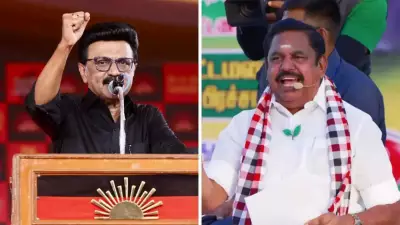
In a stunning turn of events, Vijay's victory in the recent elections has left political pundits and analysts scrambling for explanations. The win, which was largely unexpected, has reshaped the political landscape and raised questions about the effectiveness of traditional polling and prediction methods.
The Anatomy of an Upset
Vijay's campaign was marked by a strong grassroots connection, focusing on local issues that resonated with the electorate. Unlike his opponents who relied on national narratives, Vijay emphasized practical solutions to everyday problems, such as water scarcity, infrastructure development, and employment opportunities. This hyper-local approach allowed him to build a loyal base of supporters who felt heard and represented.
Another key factor was the underdog narrative. Vijay positioned himself as an outsider fighting against a corrupt and entrenched political system. This message appealed to voters disillusioned with traditional parties and their broken promises. His background as a community leader gave him authenticity, and his promises of transparency and accountability struck a chord.

Where Did the Support Come From?
Analysis of voting patterns reveals that Vijay drew significant support from rural areas and small towns, where his message of development and anti-corruption resonated most. He also garnered substantial backing from young voters and first-time voters, who were drawn to his energetic campaign and use of social media to engage directly with constituents. Additionally, women voters played a crucial role, as Vijay's focus on safety and education for girls won him their trust.
Moreover, the opposition's complacency contributed to Vijay's win. The incumbent party underestimated his appeal and failed to mount an effective counter-campaign. Their reliance on negative advertising and personal attacks backfired, as voters perceived it as desperate and out of touch. Vijay's positive message and focus on issues, rather than personalities, proved to be a winning strategy.
Why Did No One See It Coming?
The failure of polls and pundits to predict Vijay's victory can be attributed to several factors. Traditional polling methods often miss the nuances of local politics, especially in regions where caste and community dynamics play a significant role. Moreover, many voters were reluctant to disclose their support for an underdog candidate, leading to a 'shy voter' effect similar to what has been observed in other surprise election outcomes around the world.
Additionally, the media's focus on national issues and high-profile candidates meant that Vijay's campaign received little coverage until the final weeks. This lack of visibility created a false impression of his chances. The rise of social media also played a role, as Vijay's online presence allowed him to bypass traditional media and connect directly with voters, making his support less visible to conventional pollsters.
Implications for the Future
Vijay's victory is a wake-up call for political analysts and parties alike. It demonstrates the power of grassroots organizing and the importance of addressing local concerns. For the winning party, the challenge will be to translate campaign promises into tangible results, as voters will be watching closely. For the opposition, it highlights the need to reconnect with the electorate and adapt to changing political dynamics.
In conclusion, Vijay's unexpected win is a testament to the fact that in politics, anything is possible. It underscores the volatility of voter sentiment and the limitations of predictive models. As the political landscape continues to evolve, both parties and analysts must learn from this lesson to better understand the pulse of the people.