

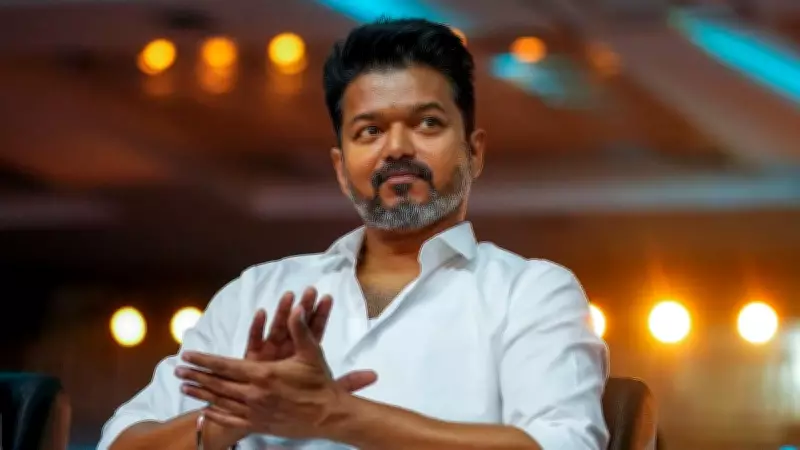
Vijay's Ambitious Pledge: A Village-by-Village Tour of Tamil Nadu if Elected
In a striking political declaration, actor-turned-politician Vijay has made an out-of-the-box promise to the people of Tamil Nadu, vowing to visit every village in the state if his party comes to power. This bold commitment was announced amidst his criticism of the current DMK dispensation led by Chief Minister M K Stalin, whom he blames for hindering his party's campaign efforts.
Allegations of Campaign Restrictions by DMK Government
Vijay accused the DMK administration of imposing severe restrictions on his party's political activities, alleging that these limitations have prevented him from conducting an extensive campaign across Tamil Nadu. He argued that the government's actions are stifling democratic processes and limiting his ability to connect with voters at the grassroots level. This criticism comes as part of his broader strategy to challenge the incumbent regime and highlight what he perceives as unfair practices in the political landscape.
The Significance of the Village Tour Promise
The promise to visit every village is seen as a strategic move to emphasize his commitment to inclusive governance and direct engagement with rural communities. By focusing on villages, Vijay aims to address issues often overlooked in urban-centric politics, such as:

- Agricultural concerns and farmer welfare
- Infrastructure development in remote areas
- Access to healthcare and education services
- Employment opportunities for local youth
This approach is designed to resonate with voters who feel marginalized by current policies, positioning Vijay as a leader attuned to the needs of all Tamil Nadu residents, not just those in cities.
Political Context and Reactions
The announcement has sparked discussions in Tamil Nadu's political circles, with analysts viewing it as a direct challenge to the DMK's governance model. Vijay's party, which has been gaining traction in recent months, is leveraging this promise to differentiate itself from established political entities. Supporters have praised the pledge as a refreshing and people-centric initiative, while critics question its feasibility given the logistical challenges of covering thousands of villages.
As the political climate heats up, Vijay's focus on grassroots connectivity could influence voter sentiment, especially in rural constituencies where his message of accessibility and reform may find strong appeal. The DMK has yet to issue a formal response to the allegations of campaign restrictions, but the issue is likely to remain a point of contention in the lead-up to future elections.
This development underscores the evolving dynamics in Tamil Nadu politics, where new entrants like Vijay are pushing traditional boundaries with innovative promises and sharp critiques of incumbent administrations.






