Vikramaditya Singh Calls on BJP to Lobby Centre for Himachal's Special Status Restoration
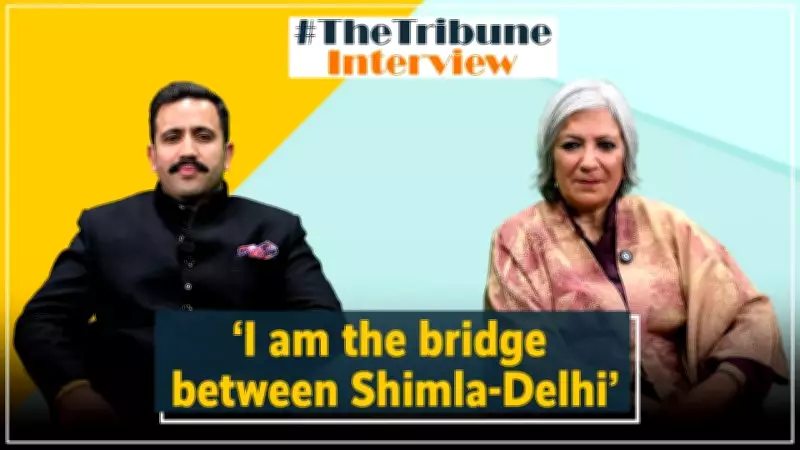
In a significant political development, Himachal Pradesh Congress leader and former minister Vikramaditya Singh has issued a direct appeal to the Bharatiya Janata Party (BJP), urging it to pressure the central government to restore the state's special category status. Singh, who is the son of former Chief Minister Virbhadra Singh, positioned himself as a crucial intermediary between Shimla and Delhi, emphasizing his unique ability to facilitate dialogue and advocate for the state's interests at the national level.
The Demand for Special Category Status
Singh's demand centers on the reinstatement of Himachal Pradesh's special category status, which was revoked in recent years. This status historically provided the state with enhanced financial assistance, tax benefits, and other concessions aimed at promoting development in hilly and remote regions. Singh argued that the loss of this status has adversely impacted the state's economic growth and infrastructure projects, leading to a slowdown in progress and increased financial strain on the state government.
He highlighted that Himachal Pradesh, with its challenging terrain and limited resources, requires sustained central support to overcome developmental hurdles. The special category status was instrumental in addressing these challenges, and its restoration is seen as vital for the state's future prosperity. Singh's call to the BJP underscores the bipartisan nature of this issue, as he believes that political differences should not hinder efforts to secure the state's welfare.

Singh's Role as a Bridge Between Shimla and Delhi
Vikramaditya Singh elaborated on his self-described role as a "bridge between Shimla and Delhi," asserting that his political lineage and experience enable him to effectively communicate the state's needs to the central leadership. He pointed out that his father's legacy and his own tenure in state politics have equipped him with insights into both local and national dynamics, making him an ideal advocate for Himachal Pradesh.
Singh emphasized that the BJP, as the ruling party at the centre, holds the key to influencing policy decisions that affect the state. He urged BJP leaders from Himachal Pradesh to set aside partisan politics and collaborate in lobbying the central government for the restoration of the special category status. This appeal reflects a growing sentiment among state politicians that regional interests should transcend party lines, especially on matters of critical importance like fiscal support and development funding.
Political Implications and Broader Context
The demand for restoring Himachal Pradesh's special category status is not new, but Singh's public appeal to the BJP adds a fresh dimension to the ongoing debate. It comes at a time when the state is grappling with economic challenges, including a high debt burden and limited revenue generation capacity. The restoration of special status could provide much-needed relief by increasing central grants and reducing the state's dependency on market borrowings.
Moreover, Singh's statement is likely to resonate with voters in Himachal Pradesh, where issues of central neglect and regional disparity often dominate political discourse. By positioning himself as a proactive leader willing to engage with the opposition for the state's benefit, Singh aims to bolster his political standing and highlight the Congress party's commitment to safeguarding Himachal's interests.
In response, BJP leaders have yet to issue an official comment, but the appeal is expected to spark discussions within both parties. The outcome could influence future state-central relations and set a precedent for how regional demands are addressed in the federal structure of India.

Conclusion
Vikramaditya Singh's call for the BJP to urge the centre to restore Himachal Pradesh's special category status underscores the urgent need for collaborative efforts in addressing the state's developmental challenges. His role as a bridge between Shimla and Delhi highlights the importance of effective advocacy at the national level, while his appeal to the ruling party reflects a pragmatic approach to politics focused on tangible outcomes for the people. As the debate unfolds, it will be crucial to monitor how both the Congress and BJP navigate this issue in the lead-up to future elections and policy decisions.