

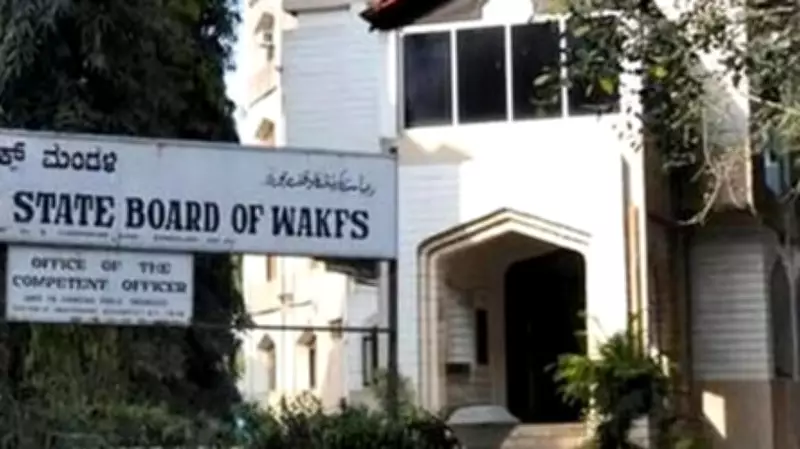
Karnataka Waqf Board Issues Notices to Landowners in Gokak, Demands Ownership Details
The Karnataka State Waqf Board has taken a significant step by issuing formal notices to landowners in the Gokak region, instructing them to provide comprehensive details regarding their ownership of the properties. This initiative is part of a broader effort to scrutinize and verify land records to ensure that waqf properties are not being encroached upon or misused.
Background and Purpose of the Notices
The notices, which have been dispatched to multiple landowners, require them to furnish documents that substantiate their claims of ownership. The Waqf Board is particularly focused on identifying any discrepancies or unauthorized occupations of land that is legally designated as waqf property. Waqf properties are charitable endowments under Islamic law, and their management is overseen by the board to ensure they serve their intended religious or philanthropic purposes.
This move comes amid growing concerns over the potential misuse or illegal occupation of waqf lands across Karnataka. By demanding ownership details, the board aims to create a transparent and accurate database of land holdings, which will help in safeguarding these assets from encroachments and legal disputes.

Implications for Landowners and the Community
Landowners who have received these notices are now obligated to respond within a specified timeframe, providing all necessary documentation to prove their ownership. Failure to comply could result in legal actions, including potential eviction or fines, if the land is found to be unlawfully occupied.
The community in Gokak is closely monitoring the situation, as this verification process could impact local land dynamics and property rights. The Waqf Board's actions are seen as a proactive measure to protect community assets and ensure that waqf properties are utilized for their designated charitable functions, such as supporting mosques, schools, or hospitals.
Broader Context and Future Steps
This initiative is not isolated but part of a larger statewide effort by the Karnataka Waqf Board to audit and secure waqf properties. Similar actions may be undertaken in other regions to address long-standing issues of land encroachment and mismanagement.
The board has emphasized that this process is intended to be fair and transparent, with opportunities for landowners to present their cases. Legal experts suggest that this could lead to a more streamlined and accountable management of waqf assets, benefiting the wider community by ensuring these properties serve their intended social and religious purposes.
As the situation unfolds, stakeholders are advised to cooperate with the board and seek legal counsel if needed to navigate the verification process smoothly.






