

Wayanad Landslide Rehabilitation Township Becomes Political Battleground
The Kerala government's ambitious project to construct a dedicated township for families displaced by devastating landslides in the Wayanad district has unexpectedly transformed into a significant political flashpoint. This development comes at a crucial juncture, with the state gearing up for the highly anticipated Kerala Assembly Elections in 2026.
Rehabilitation Efforts Underway
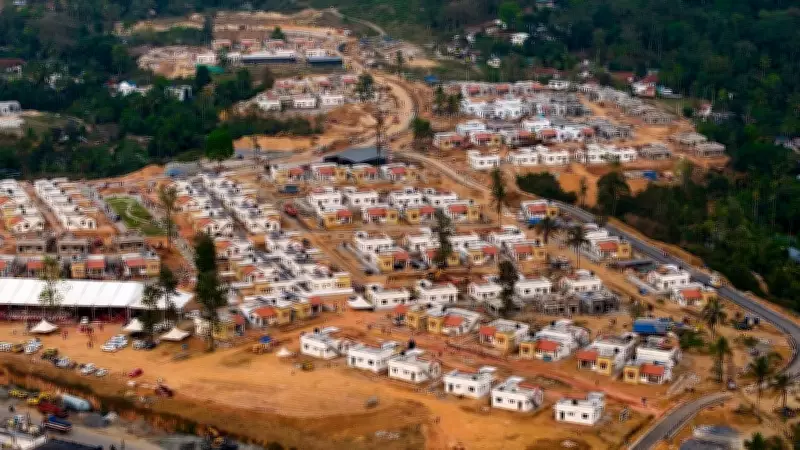
Authorities have been actively working to rehabilitate families from the severely affected areas of Chooralmala and Mundakkai, where landslides caused widespread destruction. The government has initiated the construction of a comprehensive township specifically designed to provide permanent housing and infrastructure for these displaced communities.
In a significant milestone, the state administration has already handed over keys to the first batch of 178 beneficiary families. This move marks a concrete step toward restoring normalcy for those who lost their homes and livelihoods in the natural disaster.

Political Implications and Electoral Context
The timing of this rehabilitation project has injected it with substantial political significance. With the Kerala polls scheduled for 2026, various political parties are closely scrutinizing the government's handling of the landslide aftermath and the subsequent rehabilitation process.
The township initiative has become a focal point for political debate, with different factions either praising the government's swift action or criticizing aspects of the implementation. This development in Wayanad is likely to influence voter sentiment in the region, which has historically been sensitive to environmental and rehabilitation issues.
Broader Context and Future Developments
The landslide tragedy in Wayanad highlighted the vulnerabilities of hilly regions to extreme weather events and the urgent need for sustainable rehabilitation solutions. The government's township project represents one of the largest organized resettlement efforts in recent Kerala history for disaster-affected communities.
As the 2026 elections approach, political observers anticipate that the success or shortcomings of this rehabilitation township will feature prominently in campaign narratives. The project's progress, beneficiary satisfaction, and long-term sustainability are expected to remain under intense public and political scrutiny in the coming months.
The situation underscores how disaster response and rehabilitation efforts can become intertwined with political dynamics, especially in election-bound states like Kerala where development and welfare initiatives often determine electoral outcomes.






