

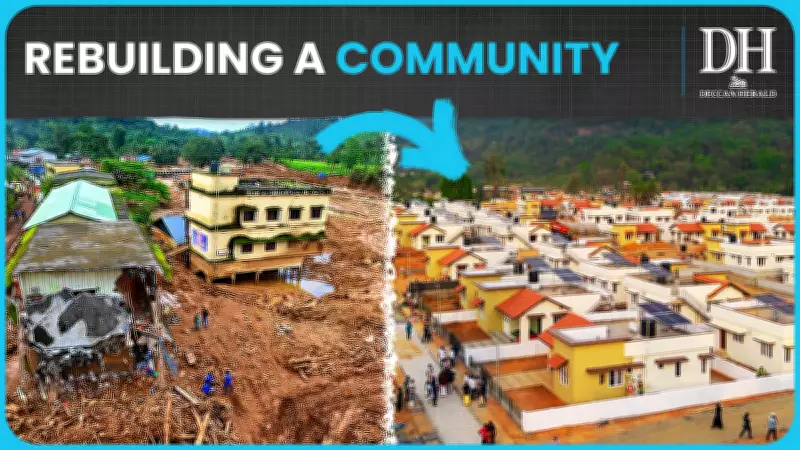
Wayanad Landslides: A Political Turning Point for LDF
The catastrophic landslides that struck Wayanad district in Kerala have not only caused immense human suffering and environmental damage but have also reshaped the local political landscape. In the aftermath of this natural disaster, the ruling Left Democratic Front (LDF) government has strategically positioned itself to gain significant political benefits by spearheading comprehensive rehabilitation efforts. This crisis has provided the LDF with a unique opportunity to demonstrate its governance capabilities and connect with affected communities, potentially altering voter sentiment in a region that has seen fluctuating political allegiances.
The Scale of the Disaster and Immediate Response
Wayanad, known for its lush greenery and fragile ecosystem, experienced unprecedented landslides triggered by heavy monsoon rains. The disaster resulted in loss of lives, destruction of homes, and severe disruption to livelihoods, particularly in agriculture and tourism. The state government, led by the LDF, swiftly launched rescue operations and established relief camps, coordinating with national disaster response teams. This immediate action was widely covered by media, highlighting the administration's proactive stance in crisis management.
Rehabilitation as a Political Strategy
The rehabilitation phase has become the focal point of political maneuvering. The LDF government has announced a multi-pronged rehabilitation package that includes:

- Financial assistance for rebuilding homes and infrastructure
- Support for restoring agricultural land and compensating crop losses
- Long-term ecological restoration projects to prevent future disasters
- Special schemes for vulnerable groups, including tribal communities
By framing these initiatives as part of a broader commitment to social welfare and sustainable development, the LDF aims to contrast its approach with what it portrays as the opposition's inadequate response. Political analysts note that this strategy allows the ruling front to address both immediate humanitarian needs and long-term political goals, potentially consolidating support in Wayanad and neighboring constituencies.
Impact on Electoral Dynamics
Wayanad has historically been a politically sensitive area, with shifting loyalties between the LDF, the United Democratic Front (UDF), and the Bharatiya Janata Party (BJP). The landslides and subsequent rehabilitation efforts have introduced new variables into this equation. The LDF's visible presence in relief work and its emphasis on community-centric rehabilitation are seen as efforts to build a narrative of effective governance, which could influence upcoming local body and assembly elections. Moreover, the disaster has forced all political parties to recalibrate their strategies, with the opposition now under pressure to present credible alternatives to the government's rehabilitation plans.
Challenges and Criticisms
Despite the political gains, the LDF faces challenges in implementing its rehabilitation agenda. Critics point to bureaucratic delays, allegations of mismanagement in fund allocation, and concerns over the environmental sustainability of some reconstruction projects. Additionally, there are debates about whether the government's focus on rehabilitation is overshadowing necessary discussions on climate change adaptation and disaster preparedness. These issues could potentially undermine the LDF's political advantages if not addressed transparently and efficiently.
Looking Ahead: The Future of Wayanad's Politics
The interplay between natural disasters and politics in Wayanad underscores a broader trend where crisis management becomes a key determinant of electoral success. As rehabilitation efforts continue, the LDF's ability to deliver on its promises will be closely watched by voters and political rivals alike. The outcome could set a precedent for how disasters are politicized in Kerala and beyond, highlighting the need for balanced approaches that prioritize humanitarian needs while navigating complex political terrains. Ultimately, the Wayanad landslides may be remembered not just for their destruction, but for their role in reshaping regional politics through the politics of rehabilitation.






