WBCS Officers Association Protests Bengal CEO's Social Media Post on Electoral Roll Issues
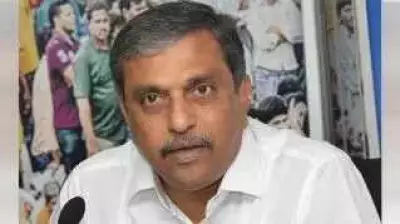
The WBCS Executive Officers Association (WBCSEOA) issued a strong statement on Monday, expressing grave concern over a social media post by the Chief Electoral Officer (CEO) of West Bengal. The association firmly rejected the CEO's implication that Electoral Registration Officers (EROs) and Assistant Electoral Registration Officers (AEROs) were responsible for cases marked as 'under adjudication' in the recently published electoral roll.
Association Calls CEO's Remarks Demeaning and Morale-Damaging
In their protest statement, the WBCSEOA emphasized that blaming the hardworking EROs and AEROs, who have been laboring day and night on electoral preparations, was not only demeaning but also severely affected their morale. The association described the CEO's attribution as completely untrue and emphatically denied the allegations.
The controversy stems from a post on X (formerly Twitter) by the Bengal CEO on Sunday, which explained that certain names in the electoral roll published on Saturday were marked as 'under adjudication' because the concerned EROs/AEROs had not decided on them after conducting hearings. The CEO noted that these pending cases were subsequently sent for adjudication by judicial officers working under Calcutta High Court guidance as per Supreme Court orders.
Electoral Roll Preparation Under Judicial Supervision
The electoral roll preparation process in West Bengal has been operating under special judicial oversight following Supreme Court directives. Judicial officers have been working systematically to review and adjudicate cases where voter eligibility requires legal determination. The CEO's post clarified that all cases under consideration by these judicial officers were appropriately marked in the published roll to maintain transparency about the ongoing adjudication process.
However, the WBCS officers association took particular exception to the phrasing that suggested EROs/AEROs had failed to make decisions on these cases. They argued this characterization unfairly shifted responsibility onto field officers who have been implementing complex electoral procedures under challenging circumstances.
Broader Context of Electoral Administration
This dispute emerges amid heightened attention to electoral processes across India, with various states preparing for upcoming elections. The meticulous preparation of accurate electoral rolls represents a fundamental aspect of democratic functioning, requiring coordination between administrative officers and judicial authorities. The WBCSEOA's protest highlights the sensitivity surrounding attribution of responsibility in this crucial democratic exercise.
The association's statement reflects broader concerns about how administrative communications, particularly through social media platforms, can impact the working environment for government officers engaged in critical public service functions. As electoral preparations continue, maintaining officer morale while ensuring transparent processes remains a significant challenge for election administration authorities.