Karnataka's Fiscal Dilemma: Welfare Expansion Curtails Government Hiring
The Karnataka state government is navigating a complex fiscal landscape where the aggressive expansion of welfare schemes is increasingly constraining its ability to fill sanctioned positions across various departments. This strategic prioritization of social welfare over administrative staffing has led to a noticeable slowdown in public sector recruitment, a development with significant implications for governance and public service delivery.
The Scale of Sanctioned Posts Versus Fiscal Reality
Official data reveals a substantial gap between authorized positions and actual hiring capacity. Across 45 core state departments, there are currently 7.74 lakh (774,000) sanctioned posts. When positions within various state boards and public corporations are included, this number swells to approximately 11.73 lakh (1,173,000) posts. However, fiscal pressures, primarily driven by the government's commitment to an expanded welfare agenda, have severely limited the pace and scale of recruitment to fill these vacancies.
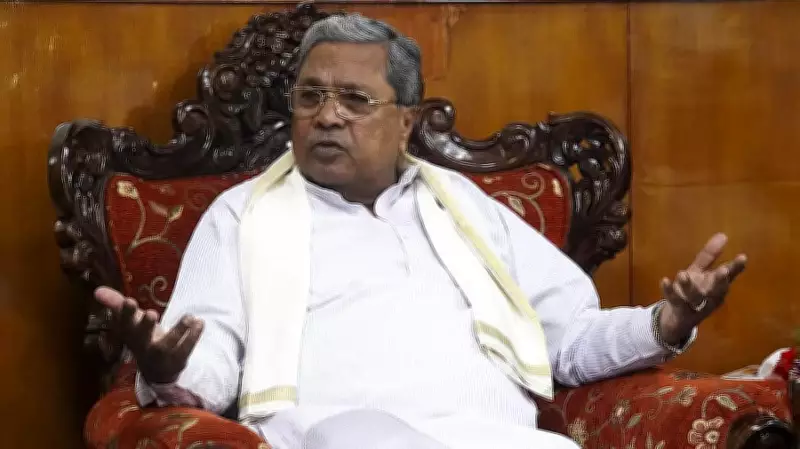
The administration, led by Chief Minister Siddaramaiah, has made the enhancement of social safety nets a cornerstone of its policy framework. This focus necessitates substantial budgetary allocations, which in turn reduces the financial flexibility available for other expenditures, including new hires in the government sector. The result is a strategic reallocation of resources where welfare initiatives receive precedence over expanding the bureaucratic workforce.
Analyzing the Impact Across Departments
The recruitment slowdown is not uniform but affects various departments differently, depending on their criticality and the government's current fiscal priorities.
- Essential Services: Departments related to healthcare, education, and public works may experience moderated hiring, potentially impacting service delivery timelines and quality.
- Administrative Functions: General administration and regulatory bodies might see a freeze or very slow pace in filling non-essential vacancies.
- Boards and Corporations: State-run enterprises and autonomous boards, which account for a significant portion of the total 11.73 lakh posts, are particularly vulnerable to hiring constraints as they often rely on state funding or approvals.
This situation creates a dual challenge: managing public expectations for efficient governance while simultaneously delivering on promised welfare benefits. The government must balance the immediate social good of its schemes against the long-term operational capacity of its administrative machinery.
The Broader Fiscal and Political Context
The decision to prioritize welfare spending reflects both political commitments and fiscal realities. Expanding welfare schemes is a key electoral promise and a tool for social equity, but it requires sustainable revenue models. With limited avenues for increasing state income in the short term, controlling expenditure on salaries and new recruitments becomes a necessary, albeit challenging, fiscal adjustment.
- Budgetary Constraints: A larger portion of the state budget is now directed towards subsidies, grants, and direct benefit transfers, leaving less for personnel costs.
- Economic Considerations: The government is likely weighing the economic stimulus of welfare spending against the job creation potential of public sector hiring.
- Future Implications: Prolonged recruitment gaps could lead to skill shortages, increased workload on existing staff, and potential delays in project implementation and public service delivery.
As Karnataka moves forward, the administration's ability to innovate—perhaps through technology adoption, public-private partnerships, or phased recruitment plans—will be crucial in mitigating the impact of this hiring slowdown while sustaining its welfare objectives.