

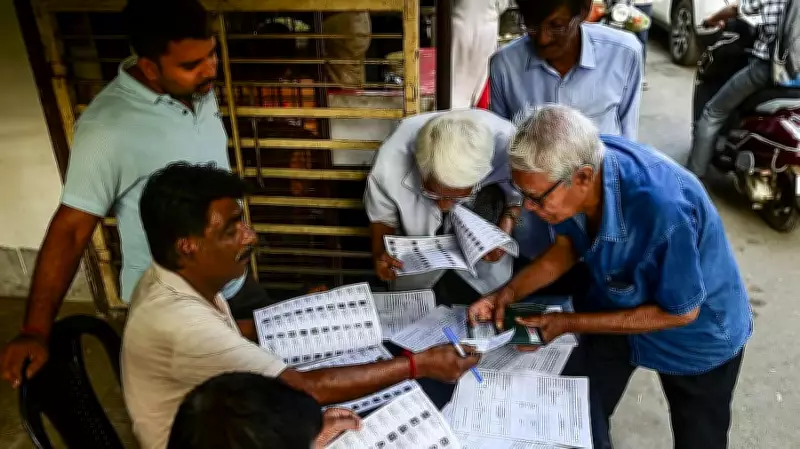
West Bengal Assembly 2026: Internal Strife and Voter Dynamics Fuel Electoral Uncertainty
As the West Bengal Assembly elections of 2026 approach, the political landscape is being reshaped by significant internal conflicts within major parties and notable shifts in voter allegiance. Both the ruling Trinamool Congress (TMC) and the opposition Bharatiya Janata Party (BJP) are grappling with simmering resentment among their ranks, exposing deep-seated strains that threaten to disrupt their electoral strategies.
Ticket Rebellions Threaten Party Cohesion
Disgruntled leaders and grassroots workers from the TMC and BJP are voicing their frustrations openly, creating an atmosphere of rebellion over ticket distributions. This internal dissent is not merely a minor issue; it reflects the broader challenges that accompany large-scale electoral reshuffles. Party insiders report that many loyalists feel sidelined or overlooked in the candidate selection process, leading to potential defections or independent candidacies that could split the vote.
The resentment is particularly acute in constituencies where long-standing party members have been passed over for newcomers or allies from other political groups. This has sparked protests and public demonstrations, forcing party leadership to engage in damage control. Analysts suggest that if not managed carefully, these ticket rebellions could weaken the organizational strength of both parties, making them vulnerable in key battlegrounds.

SIR Voter Churn Adds Another Layer of Complexity
Beyond internal party dynamics, the electoral volatility is further amplified by what political observers term "SIR voter churn"—a phenomenon involving shifts among Swing, Independent, and Rural voters. This segment of the electorate, known for its unpredictability, is showing signs of restlessness, with many expressing dissatisfaction with both the TMC and BJP.
Recent surveys indicate that a significant portion of these voters are reconsidering their loyalties, driven by issues such as governance, economic development, and local concerns. This churn is critical because it can swing election results in closely contested seats, adding an element of uncertainty that makes poll predictions challenging.
- In rural areas, voters are increasingly focused on agricultural policies and infrastructure development.
- Urban swing voters are weighing factors like employment opportunities and public services.
- Independent voters are becoming more vocal about demanding accountability from political representatives.
Implications for the 2026 Election Race
The combination of internal rebellions and voter churn is creating a highly volatile scenario for the West Bengal Assembly elections. Political strategists from both the TMC and BJP are scrambling to address these issues, with efforts ranging from reconciliation talks with disgruntled members to targeted campaigns aimed at winning back wavering voters.
Experts warn that this volatility could lead to unexpected outcomes, potentially benefiting smaller regional parties or independent candidates. As the election date draws nearer, the ability of major parties to manage internal dissent and connect with the evolving voter base will be crucial in determining the final results. The political drama unfolding in West Bengal serves as a reminder of the complex and often unpredictable nature of Indian state elections.






