

Maharashtra Woman Lambasts BJP Minister Over Traffic Gridlock During His Rally
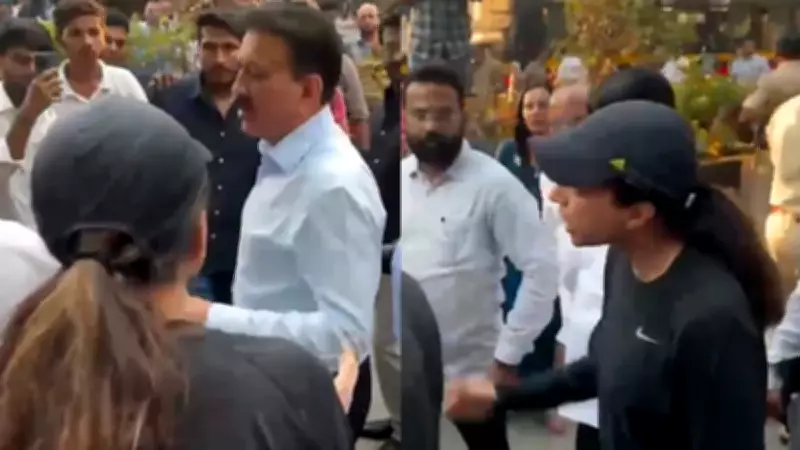
In a striking display of public discontent, a woman in Maharashtra confronted a Bharatiya Janata Party (BJP) minister over the severe traffic chaos caused by his political rally. The incident, which has gone viral on social media, underscores growing frustration among citizens with political events that disrupt daily life.
Confrontation Over Congestion
The woman was reportedly stuck in a massive traffic jam in Maharashtra when she spotted the minister's convoy. In a video that has since circulated widely, she is seen approaching the minister and lambasting him for the gridlock. Eyewitnesses described her as visibly angry, shouting phrases like "Get out! What is wrong with you?" as she criticized the disruption to public mobility.
This confrontation highlights the tangible impact of political rallies on ordinary people. Traffic snarls are a common issue during such events, often leading to delays, missed appointments, and economic losses for commuters and businesses alike.

Public Reaction and Political Implications
The video has sparked a heated debate online, with many netizens praising the woman for speaking out against political privilege. Comments on social media platforms reflect widespread sympathy for her plight, with users sharing similar experiences of being inconvenienced by political gatherings.
From a political perspective, this incident could have repercussions for the BJP in Maharashtra. It draws attention to how public events are managed and whether adequate measures are taken to minimize disruptions. In the lead-up to elections, such episodes can influence voter sentiment, especially in urban areas where traffic congestion is a pressing concern.
Broader Context of Political Rallies in India
Political rallies are a staple of Indian democracy, used by parties to mobilize support and communicate their agendas. However, they often come with logistical challenges:
- Traffic Disruptions: Large gatherings can block roads for hours, affecting emergency services and daily commutes.
- Security Concerns: Ensuring safety during rallies requires significant police deployment, which can further strain local resources.
- Public Annoyance: Repeated disruptions may lead to resentment among residents, as seen in this case.
This incident serves as a reminder for political leaders to balance campaign activities with civic responsibility. Experts suggest that better planning, such as scheduling rallies during off-peak hours or using alternative venues, could mitigate such issues.
Conclusion
The woman's outburst against the BJP minister is more than just a viral moment; it is a symptom of broader public frustration with political events that prioritize campaigning over community welfare. As Maharashtra gears up for future political battles, this episode may prompt parties to reconsider how they conduct rallies to avoid alienating voters. For now, it stands as a powerful example of citizens holding their representatives accountable in real-time.






