Study Exposes Plight of Women Returning to Telangana After Gulf Migration
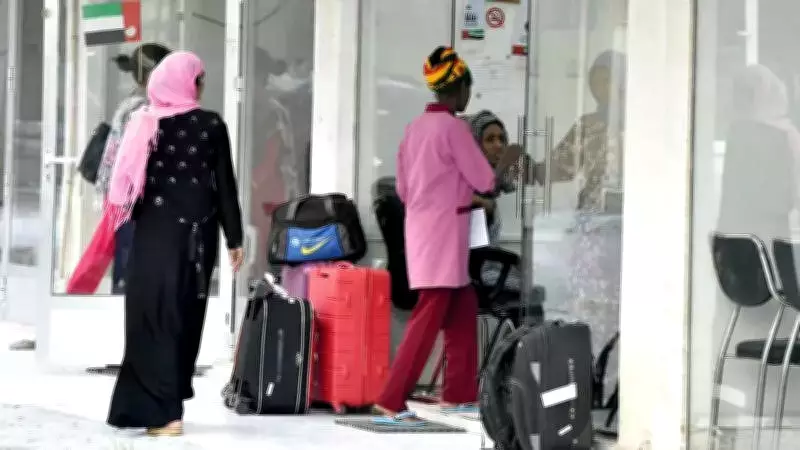
A recent comprehensive survey has shed light on the difficult realities faced by women who migrated from Telangana to Gulf countries for work and have since returned home. The study, titled 'International Returnee Migrants in Telangana–Survey,' was conducted for the International Organisation for Migration (IOM) by researchers from the Centre for Economic and Social Studies (CESS).
Research Methodology and Demographics
The research team, led by CESS director E Revathi along with associate professor Y Sreenivasulu and research consultant Bharath Bhusham Mamidi, examined the lives of female returnees who had worked abroad. Their findings reveal that most of these women belonged to minority communities in Hyderabad and were predominantly aged between 30 and 40 years.
These women had typically migrated to Gulf Cooperation Council (GCC) nations including Saudi Arabia, the United Arab Emirates, and Qatar. Their stays abroad generally lasted less than five years, during which they worked primarily as domestic workers or beauticians.
Economic Contributions and Financial Realities
While working in the Gulf, most women earned monthly incomes below Rs 20,000, though a small percentage reported earnings between Rs 50,000 and Rs 1 lakh. Despite modest wages, they managed to remit approximately Rs 20,000 per month on average to support their families back in Telangana.
A substantial portion of these remittances was allocated toward children's education and basic household necessities, demonstrating the significant economic role these migrant workers played in sustaining their families.
Post-Return Employment Crisis
The most striking finding reveals that nearly 62% of these returning women found themselves unemployed upon their arrival back in Telangana. The study identifies multiple barriers preventing their successful re-entry into the local labor market.
Irregular work opportunities, a severe shortage of suitable employment options, and limited access to information about job prospects have significantly constrained their ability to find work. Many women also reported that their skills, acquired abroad, were not adequately aligned with domestic market requirements.
Social Stigma and Reintegration Challenges
Beyond economic hurdles, social factors have further complicated the reintegration process. The survey highlights persistent stigma attached to women who migrated for work, particularly in rural districts such as Jagtial and Nizamabad.
In numerous cases, limited family support made both the original migration and subsequent reintegration more challenging. The absence of strong social networks has left many returnees isolated and struggling to rebuild their lives.
Institutional Gaps and Policy Recommendations
The report underscores a glaring deficiency in structured support systems for returning migrants. Despite some women acquiring valuable skills during their time abroad, there is minimal institutional support or retraining available upon their return to Telangana.
The study calls for robust policy interventions including:
- Dedicated skill training facilities specifically designed for returnees
- Enhanced institutional mechanisms to support economic reintegration
- Comprehensive programs addressing both employment and social acceptance
- Targeted initiatives to help women rebuild livelihoods with dignity
These recommendations aim to create sustainable pathways for returning migrants to successfully reintegrate into the local economy and society, transforming what is currently a struggle for survival into an opportunity for renewed contribution to their communities.