

Yogi Adityanath Declares Babri Masjid Will Not Be Reconstructed
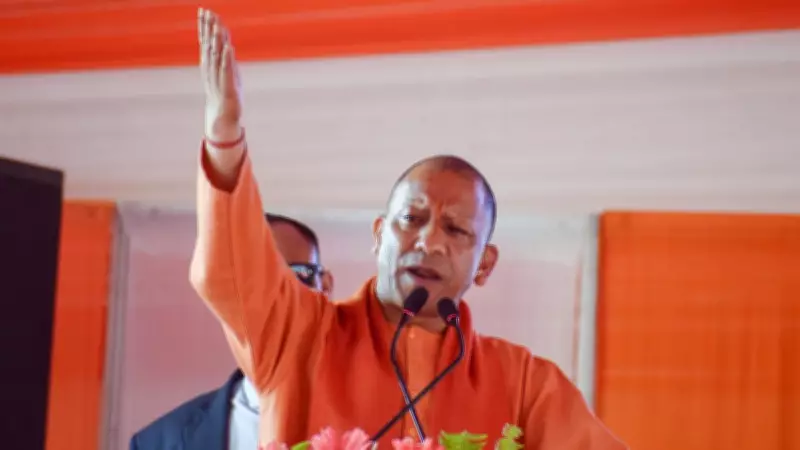
Uttar Pradesh Chief Minister Yogi Adityanath has made a definitive statement, asserting that the Babri Masjid will not be rebuilt, describing such an event as akin to "qayamat" or doomsday. This declaration underscores the Bharatiya Janata Party's (BJP) firm stance on the matter, following the construction of the Ram Temple in Ayodhya.
BJP's Track Record of Fulfilling Promises
Adityanath emphasized the BJP's credibility, stating, "The BJP government does what it says and it speaks only that which it does." He highlighted that the party had promised the construction of the Ram Temple and successfully delivered on that commitment. This, he argued, reflects the government's dedication to following through on its electoral and policy pledges.
The chief minister's remarks come in the context of ongoing discussions and speculations regarding the future of the Babri Masjid site. By ruling out its reconstruction, Adityanath aims to reinforce the BJP's narrative of decisive action and adherence to its core ideological principles.

Historical and Political Context
The Babri Masjid-Ram Janmabhoomi dispute has been a long-standing and contentious issue in Indian politics. The demolition of the Babri Masjid in 1992 led to decades of legal and social turmoil, culminating in the Supreme Court's 2019 verdict that paved the way for the Ram Temple's construction. Adityanath's statement aligns with the BJP's historical position on the issue, which has been a central plank of its political agenda.
In Uttar Pradesh, the Ram Temple's completion has been hailed as a significant achievement by the BJP-led state and central governments. Adityanath's comments serve to consolidate this achievement while addressing any lingering uncertainties about the site's future.
Implications for Governance and Public Perception
By linking the Babri Masjid issue to the broader theme of promise-keeping, Adityanath seeks to bolster public trust in the BJP's governance model. His assertion that the party only speaks of what it will do and then executes it is intended to project an image of reliability and effectiveness.
This approach may resonate with the BJP's support base, particularly in Uttar Pradesh, where the Ram Temple has been a emotive and symbolic issue. It also signals the government's intent to move forward without revisiting past controversies, focusing instead on development and other policy priorities.
As the political landscape evolves, such statements are likely to shape discourse around religious and historical sites, influencing both domestic politics and inter-community relations. Adityanath's firm stance underscores the BJP's commitment to its ideological foundations while navigating the complexities of governance in a diverse society.






