Union Budget 2026-27 Draws Mixed Reactions from UP Political Leaders
The recently presented Union Budget for the fiscal year 2026-27 has sparked contrasting responses from prominent political figures in Uttar Pradesh, highlighting the divergent perspectives on the government's economic roadmap.
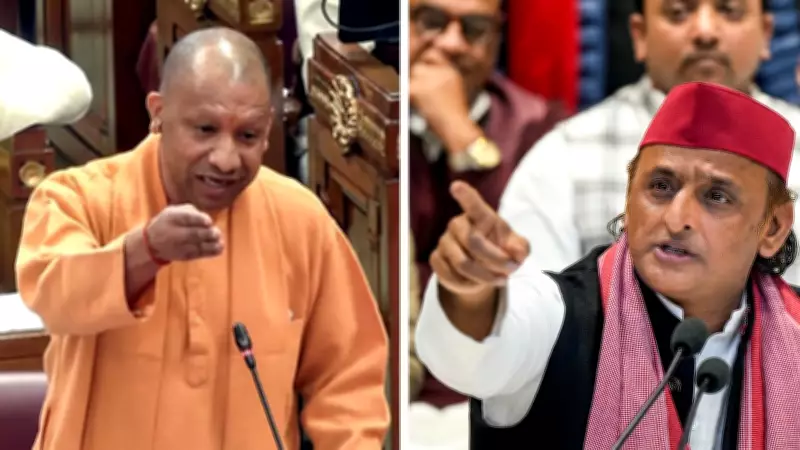
Yogi Adityanath Lauds Budget as Visionary Document
Uttar Pradesh Chief Minister Yogi Adityanath enthusiastically welcomed the budget, describing it as a reflection of the vision for a new and developed India. He emphasized that the financial plan represents the hopes and aspirations of the nation's 145 crore citizens.
Adityanath expressed gratitude to Prime Minister Narendra Modi for his guidance and decisive leadership, while also congratulating Union Finance Minister Nirmala Sitharaman for presenting the first budget at Kartavya Bhavan. The Chief Minister asserted that the budget would simplify and improve the lives of common citizens through various initiatives.

Key highlights praised by Yogi Adityanath include:
- Capital expenditure exceeding ₹12 lakh crore to strengthen infrastructure development
- Funding allocation for seven high-speed rail corridors
- Special focus on development of the AYUSH sector and healthcare services
- Construction of girls' hostels in every district
- Establishment of STEM institutions across the country
- Creation of world-class infrastructure to support youth aspirations
The Chief Minister noted that the budget would accelerate India's economic growth while creating new opportunities for youth, women, farmers, entrepreneurs, and the middle class. He particularly welcomed the simplification of the Income Tax Act scheduled to take effect from April, describing the budget as comprehensive and inclusive.
Akhilesh Yadav Terms Budget Disappointing and Condemnable
In stark contrast, Samajwadi Party president and former Chief Minister Akhilesh Yadav strongly criticized the budget, labeling it as disappointing and condemnable. He alleged that the financial document neither mentions nor cares about the common people.
Akhilesh raised several concerns regarding the budget's approach:
- Failure to provide tax relief to the public despite rising inflation
- Provision of ten kinds of exemptions for businesses and travels of the wealthy
- Lack of substantial measures to address unemployment
- Insufficient relief for farmers, laborers, workers, traders, and small shopkeepers
The SP chief expressed that the middle class feels utterly cheated by the budget provisions, arguing that the government's priorities appear skewed toward benefiting the affluent rather than addressing the struggles of ordinary citizens.
Mayawati Questions Implementation of Past Promises
Bahujan Samaj Party chief Mayawati adopted a more measured approach, questioning whether the grandly named schemes and announcements would translate into meaningful implementation on the ground. She described the budget as a mirror reflecting the ruling party's policy, intent, and character.
The BSP leader posed critical questions about the government's track record:
- Have last year's claims and assurances been fulfilled or remained mere formalities?
- Has there been any real change in people's lives from previous budget promises?
- Is the government truly pro-poor and pro-Bahujan while serving national interest?
- Does the budget nurture capitalist thinking and support big capitalists?
Mayawati stressed the importance of evaluating the government's long-term commitment to the public sector and how effectively it upholds the welfare spirit of Baba Saheb Dr. Bhimrao Ambedkar's Constitution. She suggested that clarity on these issues would determine whether the budget genuinely delivers on the promise of achhe din (good days).
The divergent reactions from Uttar Pradesh's political leadership underscore the polarized perspectives on the Union Budget's potential impact, with supporters highlighting its visionary aspects while critics question its practical benefits for ordinary citizens and implementation of past commitments.