Uttar Pradesh CM Yogi Adityanath Announces Withdrawal of Forest Cases Against 4,000 Tharu Tribals
In a significant move, Uttar Pradesh Chief Minister Yogi Adityanath declared on Saturday that forest cases filed against approximately 4,000 members of the Tharu tribal community would be withdrawn. This announcement brings immense relief to impoverished villagers and their families who have been entangled in legal battles for over a decade.
Announcement Made in Lakhimpur Kheri
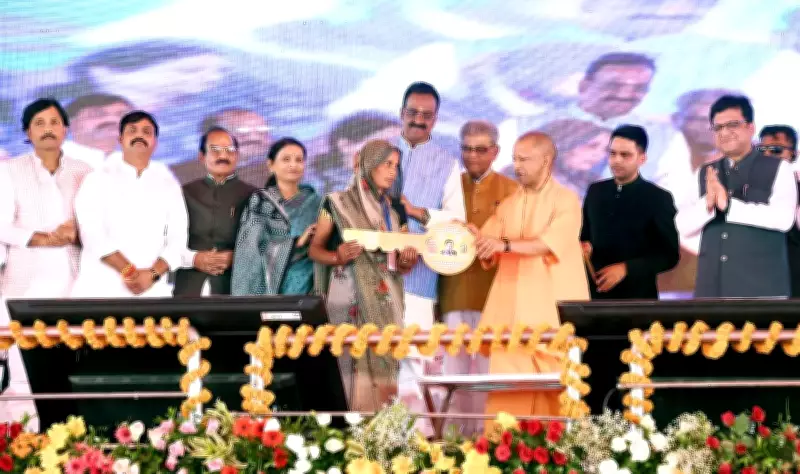
The declaration was made during an event in Lakhimpur Kheri. This decision follows a detailed report published in November 2025, which highlighted how the forest department had booked members of the Tharu community in 2012. Shockingly, the cases included individuals who were blind, physically or mentally disabled, elderly, and even those who were deceased at the time of filing.
Criticism of Previous Government
Without directly naming the Samajwadi Party, CM Yogi Adityanath criticized the previous state government for allegedly protecting mafias and habitual offenders while harassing the Tharu community during their struggles. "The previous government used to nurture mafias and habitual offenders in every city. They harassed the Tharu community by filing forged cases against them during their struggle, but now the BJP government won’t let this happen," he stated firmly. He added, "We will withdraw the cases."

Heart-Wrenching Stories of Injustice
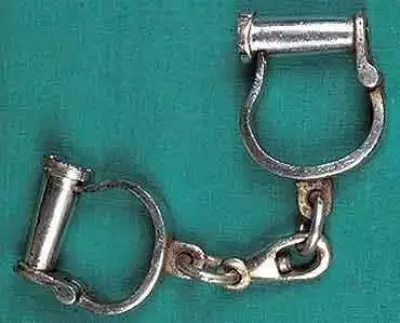
Many of those booked were poor and illiterate villagers who spent years appearing in court to fight charges they claimed they never committed. Among them was 40-year-old Surdas Ram Bhajan, blind since birth, who resides with his family in Sariya Parah, a Tharu village near the India-Nepal border close to Dudhwa Tiger Reserve. "I have never even seen the forest," he had earlier expressed. "I walk with my 70-year-old mother’s help—she holds one end of a stick, and I hold the other. My younger brother, Rajjan, is mentally disabled and has remained shackled in chains since childhood, yet both of us were booked."
Following the CM's announcement, Surdas shared that the decision lifted a heavy burden his family had carried for years. "I want to thank MLA Romi Sahani and the CM for their gift to us," he said gratefully. Their mother, Gulaboo Devi, added, "My sons never even went to the forest, but the department trapped them in false cases. But now we’re happy that we are free." Rajjan, 37, had been accused of illegal tree felling.
Another villager, Har Dayal Singh, 55, who suffers from a chronic spinal disorder and cannot stand upright, had been charged with climbing trees to destroy bird nests. "They say I climbed a tree. I can barely stand," he had remarked. After Saturday’s announcement, he expressed relief, stating he could now live peacefully without frequent court visits.
Widespread Impact in Sariya Parah
In Sariya Parah, with a population of around 1,500, at least 375 residents had been booked under various provisions of the Indian Forest Act and the Wildlife (Protection) Act. This highlights the extensive nature of the legal harassment faced by the community.
Role of Media and Political Efforts
MLA Romi Sahani, who represents the Palia constituency, acknowledged the crucial role of media exposure in advancing their cause. "I was working on this for so long, but the TOI story gave our effort a major boost, and finally, we are seeing the fruits of the efforts," he noted.
Broader Context of Tribal Rights
Members of the Tharu community emphasized that this relief would significantly ease their lives, especially as it coincides with the recognition of their land rights. The Tharus, an indigenous community in the Terai regions of Uttar Pradesh, Uttarakhand, Bihar, and southern Nepal, have historically relied on farming and forest-linked livelihoods.
However, after Dudhwa was declared a national park in 1977 and later a tiger reserve in 1988, several Tharu villages found themselves within or near protected forest zones. This severely restricted their traditional access to land and resources.

Although the Forest Rights Act of 2006 was intended to recognize the rights of scheduled tribes and traditional forest dwellers over habitation, cultivation, and forest use, many Tharu claims in Lakhimpur Kheri were either rejected or left pending. This recent announcement marks a pivotal step toward addressing these long-standing injustices and restoring dignity to the Tharu community.