Venezuela Stuns Japan in Dramatic World Baseball Classic Quarterfinal
In one of the biggest upsets in World Baseball Classic history, Venezuela eliminated defending champion Japan with a thrilling 6-5 victory to advance to the tournament semifinals for the first time since 2009. The dramatic win, however, was quickly overshadowed by a controversial celebration from star outfielder Ronald Acuña Jr. that ignited a heated international debate about sportsmanship and cultural sensitivity.
The Controversial Celebration That Divided Fans
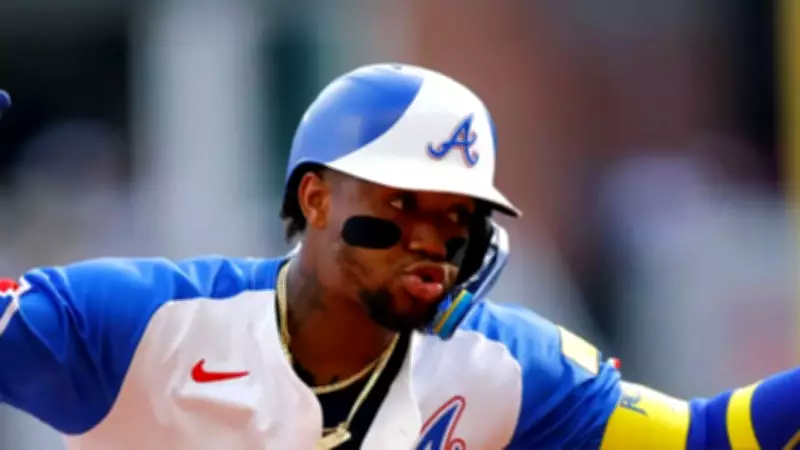
Immediately after the final out, as Venezuela players erupted in celebration, Acuña was captured on video shouting "we ate sushi" twice while celebrating with teammates in the dugout. The clip spread rapidly across social media platforms, with reactions ranging from enthusiastic support to severe criticism.
Social media responses were sharply divided:

- "Kinda racist," wrote one user on Twitter/X
- "Grotesque disrespect," commented another
- Many Japanese fans expressed disappointment at what they perceived as cultural insensitivity
- Some Venezuelan supporters defended the celebration as emotional release after a dramatic victory
The incident has become one of the most discussed moments from Venezuela's historic win, raising questions about appropriate celebration in international sports competitions.
A Game of Momentum Swings and Emotional Moments
The quarterfinal matchup featured numerous dramatic shifts in momentum that set the stage for the controversial conclusion. Venezuela struck first when Ronald Acuña Jr. hit an early home run against Japanese ace Yoshinobu Yamamoto. Japanese superstar Shohei Ohtani quickly answered with a home run of his own, beginning Japan's comeback.
Japan appeared to take control of the game as Teruaki Sato and Shota Morishita helped build a 5-2 lead. However, Venezuela's bullpen delivered a masterful performance, holding Japan to just four hits over the final six and one-third innings while the offense mounted a gradual comeback.
The turning point came when Japan manager Hirokazu Ibata turned to pitcher Hiromi Itoh, the 2025 Eiji Sawamura Award winner (Japan's equivalent of the Cy Young Award). Venezuela's offense capitalized, scoring three crucial runs against Itoh to shift the game's momentum permanently in their favor.
Acuña's Emotional Game and Venezuela's Historic Achievement
Even before the controversial celebration, Acuña had been involved in tense moments throughout the game. Earlier in the contest, he engaged in a heated argument with an umpire following a controversial check swing call on a pitch from Chihiro Sumida, requiring coaches to intervene and calm the situation.
This emotional display is consistent with Acuña's established personality on the field, where he has frequently shown passionate reactions throughout his professional career. The combination of high stakes, dramatic momentum shifts, and personal investment created the perfect storm for the post-game controversy.
Despite the celebration debate, Venezuela's achievement remains monumental. The team overcame one of international baseball's traditional powerhouses, ending Japan's title defense while securing their own place in the semifinals. The victory represents a significant milestone for Venezuelan baseball and sets up an intriguing next round in the tournament.
The game concluded when Shohei Ohtani hit a fly ball for the final out, with Daniel Palencia securing the save for Venezuela. As the team celebrates their historic achievement, the conversation continues about the boundaries of celebration in international sports and the importance of cultural sensitivity in global competitions.