AFI's Mandatory Sponsorship Approval Sparks Legal Backlash, Called Unconstitutional
The Athletics Federation of India (AFI) has reiterated its controversial stance that athletes must obtain mandatory approval before entering into any third-party agreements, claiming this measure is designed to protect athletes from potential contractual pitfalls. However, this decision has ignited a fierce legal debate, with prominent sports lawyers and experts condemning the move as unconstitutional, arbitrary, and an unreasonable restraint on athletes' commercial freedoms.
Legal Experts Slam AFI's Mandatory Approval Requirement
Sports lawyer Rahul Mehra has been particularly vocal in his criticism, stating that the AFI's requirement for blanket prior approval violates fundamental constitutional rights. "This is akin to mandatorily seeking a blanket prior approval, which is wholly unconstitutional and arbitrary besides being an unreasonable and unlawful restraint on athletes' commercial freedom as also his/her trade or profession," Mehra explained. He emphasized that this approach appears to directly contravene Article 19(1)(g) of the Indian Constitution, which guarantees the freedom to practice any profession, trade, or business.
Mehra suggested that the AFI could have adopted a more balanced approach by issuing advisory guidelines to help athletes navigate complex sponsorship agreements without infringing on their rights. "Instead, AFI could have issued advisory guidelines in order to protect the athletes from entering into conflicting or harmful contracts, but to have such a mandatory prior approval is reflective of seeking absolute control over athletes' commercial right and interest," he added.

Concerns About Sponsor Protection and Athlete Control
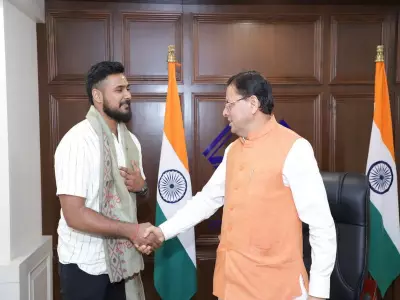
Critics have raised questions about the true motivation behind the AFI's circular, suggesting it may be more about protecting federation sponsors than safeguarding athletes. Legal experts point to the recent case of long-distance runner Gulveer Singh, who switched sponsors from Reliance (an AFI sponsor) to OGQ and then to JSW within a three-month period. "The new circular seems to have been triggered by long-distance runner Gulveer Singh moving out of Reliance to OGQ to JSW within three months," one legal expert noted. "AFI can support their sponsor but that should not be done by troubling the athletes who are getting individual sponsors."
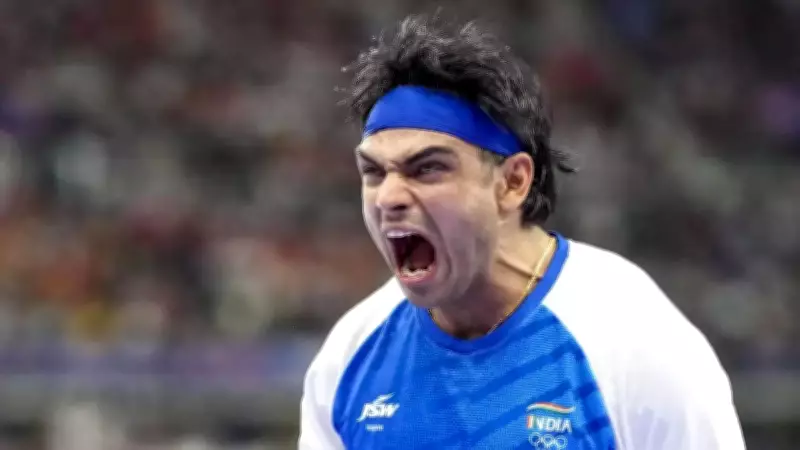
The requirement has also raised eyebrows regarding its application to India's most celebrated athletes. Experts question why top performers like Olympic champion Neeraj Chopra should need federation approval for sponsorship deals. "The value of athletics in India is because of Chopra. It's an attempt to exert some form of control. There is no chance that it will stand scrutiny in court as it's a restraint of trade," an expert told media outlets.
Historical Precedents and Practical Enforcement Concerns
Legal experts have drawn parallels with similar attempts by other sports bodies that ultimately failed. They reference the Board of Control for Cricket in India's (BCCI) attempt to control player endorsements after India's 2007 World Cup loss, and the National Rifle Association of India's (NRAI) unsuccessful effort to implement similar restrictions. "The AFI's move is more like a public statement to assert control," one expert observed. "It's completely not enforceable legally and practically, and none of these athletes are in any form of contract with the AFI."
Concerns have been raised about potential misuse of the approval requirement as a disciplinary tool. "This move will be like a new basis to knock off someone. Earlier, they said if you don't attend national camp they will drop you. Likewise, if you don't report your endorsements we can drop you," the expert explained, highlighting how such requirements could be weaponized against athletes who fall out of favor with federation officials.

AFI Defends Decision as Protective Measure for Athletes
In response to the criticism, the AFI has maintained that its decision is solely intended to protect athletes' interests. The federation stated that the policy emerged after some sponsors brought concerning contractual situations to their attention. "This considered decision has come in the wake of some sponsors drawing AFI's attention. We would like the athletes to focus on their training and competition rather than get caught up in signing contracts," the AFI posted on social media platform X.
The federation emphasized its commitment to athlete welfare while acknowledging their right to earn through endorsements. "At AFI, we are mindful of athletes' welfare and do not want to come in the way of their making money through endorsement deals. However, we will protect the interests of the athletes and Indian athletics," the statement continued. The AFI expressed concern that athletes might make sponsorship changes "without understanding the implications of terminating the contracts they have signed with sponsors."
To address these concerns, the AFI has offered its legal team's services to review contracts at no cost to athletes or sponsors. "While asking for prior approval of contracts and agreements, AFI is ensuring that its legal team is on hand to advise the athletes against potential pitfalls. AFI makes it clear that, in providing such services to the athletes, it does not charge a penny from either the athletes or the sponsors," the federation stated.
This ongoing controversy highlights the delicate balance between protecting athletes from exploitative contracts and respecting their constitutional rights to commercial freedom. As the debate continues, legal experts remain skeptical about the enforceability and constitutionality of the AFI's mandatory approval requirement, setting the stage for potential legal challenges that could redefine the relationship between sports federations and athletes in India.