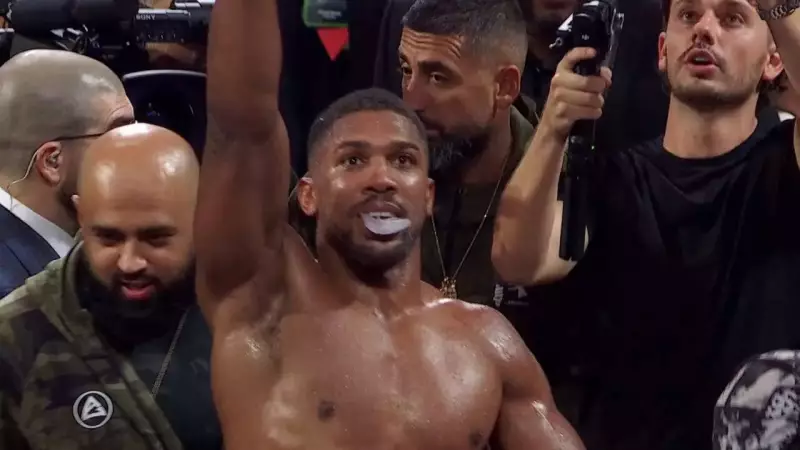
From the outside, Anthony Joshua's career gleams with championship gold, iconic knockouts, and sold-out stadiums. Yet, the path of the British-Nigerian heavyweight icon has been anything but a smooth ride. Behind the glittering belts and monumental victories lies a narrative of physical wear, painful lessons, and a profound evolution in understanding what it truly takes to survive at the pinnacle of boxing.
The Physical Toll: A Body Pushed to the Limit
In his early professional years, Joshua's approach was defined by raw power and relentless intensity. His training camps were notoriously brutal, featuring marathon sparring sessions, heavy weightlifting, and explosive drills repeated day after day. This punishing regimen inevitably took its toll. AJ has spoken about dealing with persistent back stiffness and recurring muscle issues early in his career. While these weren't catastrophic injuries that forced fight cancellations, they were clear warning signals from his body.
For a heavyweight, the damage isn't just about the punches thrown; it's also about the colossal impacts absorbed. Joshua's powerful, athletic frame placed extraordinary stress on his joints and muscles. He was, in essence, learning the hard limits of his own physical vessel through trial and error.

Quiet Struggle with Knee Problems
One of the less-discussed but critical challenges Joshua has faced involves his knees. For a boxer whose power generation, balance, and footwork are rooted in his legs, knee health is paramount. Joshua has admitted that discomfort in his knees has impacted several training camps, sometimes necessitating a complete overhaul of his preparation.
This meant scaling back on high-impact work, reducing explosive movements, and prioritizing recovery. For a fighter raised on the ethos of pushing through pain, this was a difficult mental shift. However, he adapted, incorporating ice baths, dedicated physiotherapy, mobility sessions, and proper rest as non-negotiable elements of his routine. This marked a pivotal transition from trying to overpower pain to learning to respect and manage it.
The Invisible Scars: Head Trauma and Mental Resilience
Then comes the unavoidable hazard of the sport: head trauma. Following tough battles, particularly his stunning loss to Andy Ruiz Jr. and the consecutive defeats against the masterful Oleksandr Usyk, questions arose not just about Joshua's strategy but about his long-term well-being.
While Joshua hasn't detailed specific concussion diagnoses, he has been remarkably candid about the after-effects of brutal fights. He has described experiencing mental fog, deep exhaustion, and the critical importance of comprehensive medical checks and extended recovery time for both body and mind. In a culture where fighters are expected to shrug off damage, Joshua's honesty about his vulnerability stands out.
The mental toll of physical setbacks can be even more debilitating than the injuries themselves. Joshua has openly discussed how injuries and losses eroded his confidence. Being sidelined, feeling betrayed by one's own body, and facing a torrent of public criticism create a perfect storm of doubt. After his recent defeats, he confessed to feeling emotionally drained. This crisis of trust in his physical self forced a total rethink of his approach, placing equal emphasis on mental conditioning and finding balance in life outside the ring.
A Brush with Tragedy: The Lagos Car Accident
Adding a shocking and recent chapter to his story, Anthony Joshua was involved in a serious car accident in Nigeria. The incident occurred on the busy Lagos–Ibadan Expressway. Early reports indicated the crash was severe, resulting in the tragic deaths of at least two other individuals.
Joshua was quickly transported to a nearby hospital for treatment. Medical professionals confirmed that while the boxer was shaken, his injuries were non-life-threatening. He was reported to be in stable condition, and subsequent updates indicated he was recovering well. The news sent shockwaves through the global boxing community, with fans worldwide flooding social media with messages of concern and support for the champion.

Anthony Joshua's journey redefines toughness in combat sports. It is no longer just about enduring punishment but about intelligent adaptation, listening to one's body, and cultivating mental fortitude. His openness about his struggles—from persistent knee issues and the specter of head trauma to the psychological battles after defeat and a recent near-fatal accident—paints the portrait of a modern athlete navigating the immense pressures of his profession with increasing wisdom. His legacy is being forged not in spite of these challenges, but through his evolving response to them.