World Baseball Classic Uniform Controversy Erupts Over Design Disparity
The global baseball community finds itself embroiled in a heated debate following the unveiling of official uniforms for the upcoming 2026 World Baseball Classic. While Japan's distinctive Mizuno-designed kit has garnered widespread admiration, the standardized Nike jerseys assigned to most other participating nations have drawn blistering criticism and accusations of creative bankruptcy.
Japan's Custom Uniform Stands Apart
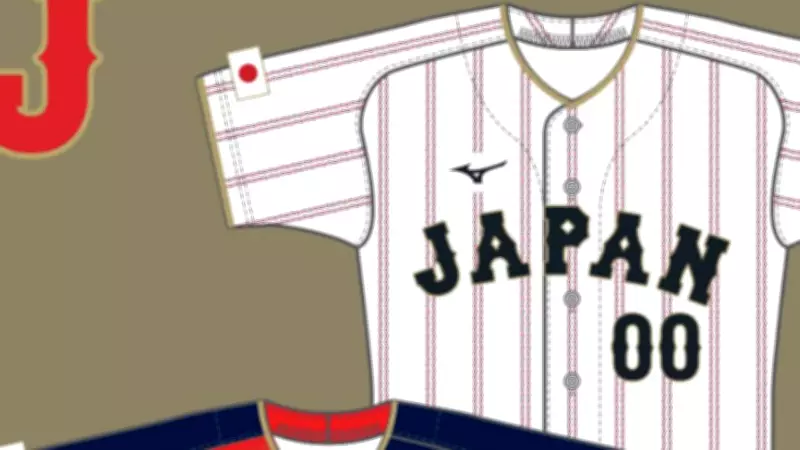
Samurai Japan, as the Japanese national baseball team is affectionately known, has generated significant excitement with its meticulously crafted uniform for the 2026 tournament. The Mizuno-designed kit features elegant lettering, sophisticated collar and sleeve detailing, and subtle nods to Japan's rich baseball heritage. The uniform appears bespoke and culturally resonant, embodying decades of tradition and national pride.
Mizuno's longstanding partnership with Japanese baseball has allowed the nation to maintain a unique visual identity in international competition. Supporters praise the new design for successfully blending contemporary aesthetics with cultural elements, creating what many consider a masterpiece of sports apparel design.

Standardized Nike Jerseys Face Backlash
In stark contrast, most other competing nations will wear essentially identical Nike template jerseys with only minor variations in colors and logos. The standardized approach has resulted in uniforms with similar fonts, layouts, and color blocking that many fans argue fail to represent the diverse cultures and traditions of participating countries.
Critics contend that this one-size-fits-all design philosophy undermines the very essence of international competition, which should celebrate national distinctions rather than homogenize them. The visual similarity between rival nations' uniforms has particularly frustrated supporters who expected more distinctive representations of their countries' baseball identities.
Social Media Outcry Intensifies
Baseball enthusiasts worldwide have taken to social media platforms to express their disappointment with the uniform designs. Twitter has become a battleground for criticism, with numerous fans accusing tournament organizers and Nike of delivering uninspired, generic designs that lack cultural authenticity.
The backlash has been particularly strong among supporters from Latin American and European nations, who complain that the new kits inadequately represent their national colors, symbols, and baseball traditions. Many argue that the standardized approach prioritizes commercial expedience over artistic integrity and cultural representation.
Organizational Decisions Under Scrutiny
The controversy has raised questions about tournament organizers' decision-making processes regarding uniform design. Japan's special allowance to use its traditional supplier Mizuno, while other nations receive standardized Nike jerseys, has led to allegations of preferential treatment and inconsistent standards.
This uniform disparity has sparked broader conversations about:
- The importance of cultural representation in international sports
- The balance between commercial partnerships and artistic expression
- The role of uniform design in building national team identity
- The expectations fans have for major international tournaments
As the 2026 World Baseball Classic approaches, the uniform controversy continues to dominate discussions among baseball fans worldwide, highlighting the significant emotional and cultural investment supporters have in their national teams' visual identities.