Blind Runner Clarke Reynolds to Make History in Brighton Marathon with AI Glasses
Running a marathon is an immense physical and mental challenge. Your legs ache intensely, your lungs burn with every breath, and by the eighteenth mile, most runners are questioning every decision that led them to the starting line. Now, imagine undertaking this grueling 26.2-mile journey with only five percent of your vision. This daunting task might seem impossible to many, but for Clarke Reynolds, it represents an opportunity to make history.
The World-First Attempt on April 12
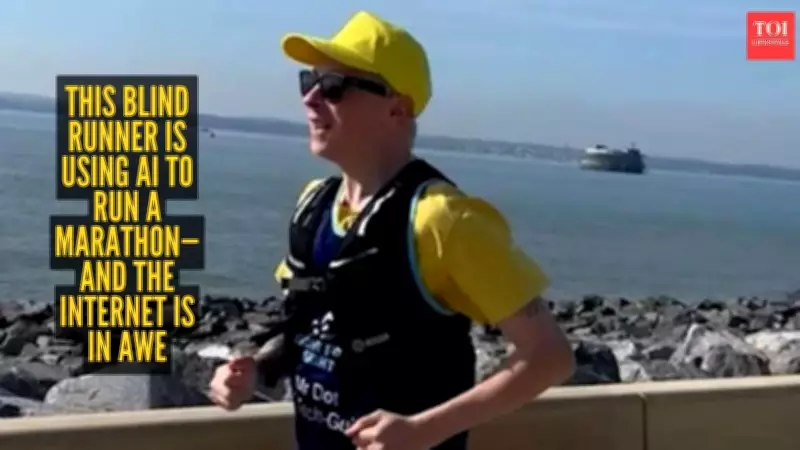
On April 12, Clarke Reynolds, a 45-year-old athlete affectionately known as "Mr Dot," will take on the Brighton Marathon in a groundbreaking endeavor. This is not merely another race; it is being hailed as a world-first moment in adaptive sports. Clarke plans to run the entire marathon course using Meta AI-powered smart glasses, offering a compelling glimpse into the future of accessibility and technology.
Clarke lives with Retinitis Pigmentosa, a degenerative eye condition that has left him legally blind. He is no stranger to endurance challenges, having previously completed the London Marathon with the assistance of a guide runner. However, this time, his approach is radically different. His primary support system will not be running beside him physically. Instead, it will be delivered through an innovative combination of smart glasses and the Be My Eyes application.

Revolutionary Support Through Be My Eyes Groups
Typically, the Be My Eyes app connects visually impaired users with volunteers for quick, everyday assistance. Managing a marathon, however, requires a more structured and reliable support network. For this historic run, Clarke is utilizing a new feature called Be My Eyes Groups. Instead of being randomly connected to volunteers, he has built a private, global network of trained individuals ready to assist on race day.
When Clarke needs guidance, he simply says, "Be My Eyes," and instantly connects to someone from his dedicated group. From there, he receives real-time audio instructions covering directions, obstacles, and what lies ahead on the course. By the conclusion of the marathon, he estimates he could be guided by nearly 200 volunteers from around the world, creating an unprecedented global support squad.
"This is a world first! I’m so excited," Clarke shared enthusiastically. "I’ll be the first blind person running a full marathon while being supported by volunteers using Be My Eyes. This technology is so liberating!"
Balancing Cutting-Edge Tech with Real-World Safety
Recognizing the unpredictable nature of marathon running, Clarke’s setup includes essential safety measures. While the technology handles the primary guidance, a trained guide runner from The Richard Whitehead Foundation will be on the course with him as a safety backup. This strategic balance combines cutting-edge innovation with practical, real-world support to ensure his well-being throughout the event.
More Than a Race: A Movement for Inclusion
Clarke is also running for a meaningful cause, having already raised £1,155 toward his £2,000 fundraising goal. Yet, for him, this endeavor transcends financial targets or even the physical achievement of completing the marathon.
"This isn’t just about running a marathon," he emphasized. "This is about challenging society’s ideas about what blind people can do."
This profound mission is what makes Clarke’s story resonate deeply. When he hits the streets of Brighton, he will not merely be covering 26.2 miles. Step by step, he will be shattering assumptions and demonstrating that with determination, community support, and advanced technology, perceived limits can be overcome. His journey symbolizes a powerful message of resilience and innovation, inspiring a broader conversation about accessibility and human potential.