Toronto Blue Jays Pursue Pitching Upgrade with Cardinals' JoJo Romero Trade Talks
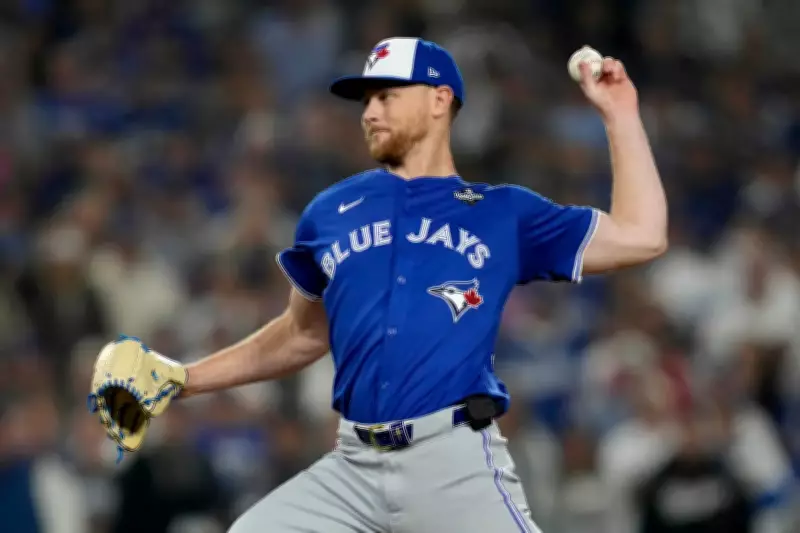
As the 2026 Major League Baseball season approaches, the Toronto Blue Jays are anticipated to maintain an aggressive stance in the trade market. Following the departure of star shortstop Bo Bichette in free agency and the missed opportunity to sign outfielder Kyle Tucker, the organization's focus has shifted decisively toward enhancing its pitching roster. One prominent name emerging in trade discussions is St. Louis Cardinals left-handed reliever JoJo Romero, viewed as a viable target to address a specific need in Toronto's bullpen.
Proposed Trade Framework: Davis Schneider for JoJo Romero
While no official agreement has been reached, multiple projections indicate a potential straight swap: Toronto would send right-handed outfielder Davis Schneider to St. Louis in exchange for JoJo Romero. Schneider, who posted a .797 OPS over 500-plus plate appearances in 2025, would inject power into the Cardinals' lineup, offering a right-handed bat that complements their rebuilding efforts. Romero, aged 29, delivered an impressive 2.07 ERA across 61 innings last season, positioning him as a dependable left-handed option for the Blue Jays' relief corps.
Contract dynamics play a crucial role in this scenario. Romero is entering the final year of his contract, with a manageable $4.26 million salary for 2026, making him an attractive trade piece for a team like St. Louis that is not immediately contending. In contrast, Schneider remains under team control through 2029, providing the Cardinals with a longer-term asset in the outfield as they integrate younger players into their roster.

Strategic Fit for Both Franchises
For the Toronto Blue Jays: The bullpen, anchored by Jeff Hoffman and Tyler Rogers, currently lacks balance from the left side. Romero would offer a reliable matchup arm, strengthening a unit designed for postseason competitiveness. With Bichette gone and Tucker off the table, fortifying the pitching staff represents the most direct path for Toronto to remain in the championship conversation.
For the St. Louis Cardinals: The team has been actively transitioning by moving veterans like Nolan Arenado and Willson Contreras, focusing on a reset with younger talent. Schneider addresses a clear need for right-handed hitting power in the outfield, while his positional flexibility makes him a practical addition during this developmental phase.
Advantages and Drawbacks of the Potential Deal
Pros for the Blue Jays:
- Acquires a proven left-handed reliever with a strong recent performance.
- Manages salary efficiently with Romero's one-year contract.
- Enhances a bullpen built to excel in high-pressure postseason games.
Cons for the Blue Jays:
- Surrenders a controllable hitter with significant power potential in Schneider.
- Romero's contract expires after 2026, offering only short-term benefits.
Pros for the Cardinals:
- Gains a young outfielder under team control for multiple seasons.
- Moves a reliever approaching free agency for future assets.
- Adds offensive firepower during a transitional period.
Cons for the Cardinals:
- Loses a reliable bullpen arm who could contribute immediately.
- Schneider's defensive capabilities may not align with ideal outfield standards.
Player Statistics and Contract Overview
JoJo Romero (Age 29): 2025 ERA of 2.07, 61 innings pitched, 1.9 walks per nine innings, 8 saves, with one year remaining on his contract.
Davis Schneider (Age 27): .797 OPS in 2025, over 500 plate appearances, 1.5 wins above replacement, under team control through 2029.

Long-Term Implications and Conclusion
In the immediate term, the Toronto Blue Jays would significantly upgrade their bullpen for the 2026 campaign, while the St. Louis Cardinals would secure a controllable position player to aid their rebuild. Romero, if traded, would likely assume higher-leverage roles with a contender, potentially boosting his value ahead of free agency. This proposed exchange addresses Toronto's pressing need for pitching depth and supports St. Louis' strategic focus on long-term roster development, making it a reasonable and mutually beneficial consideration for both organizations as they prepare for the upcoming season.