Tom Brady's Passionate Defense of Bill Belichick After Hall of Fame Snub
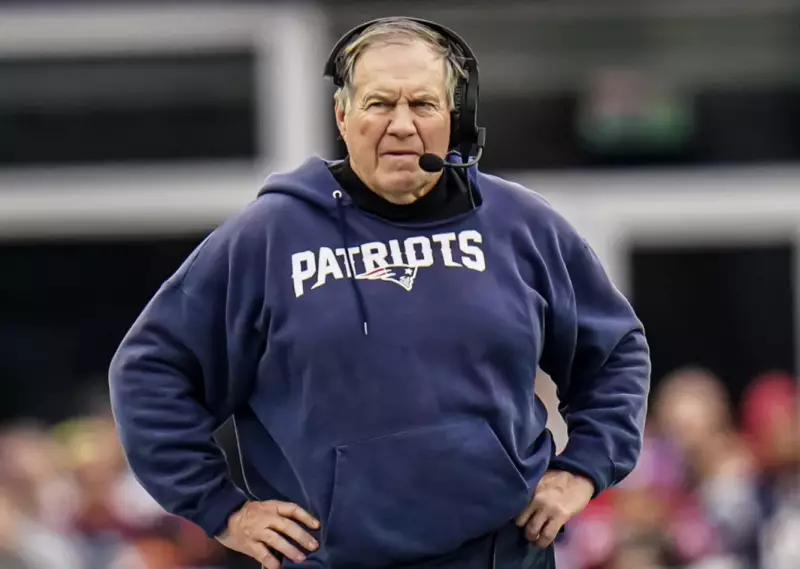
The NFL community was left in a state of collective disbelief when Bill Belichick, one of the most accomplished coaches in football history, failed to secure induction into the Pro Football Hall of Fame during his first year of eligibility. This unexpected omission has sent shockwaves through the sports world, challenging conventional wisdom about coaching legacies and Hall of Fame standards.
Brady's Unwavering Support for His Former Coach
Amid the growing controversy and heated discussions, one voice emerged with particular clarity and conviction: that of Tom Brady. The legendary quarterback, who spent two remarkable decades under Belichick's guidance with the New England Patriots, left absolutely no ambiguity about his position on this matter.
Through a message shared by Hall of Fame selector Armando Salguero, the seven-time Super Bowl champion delivered an impassioned and detailed defense of his former coach, declaring Belichick to be the most deserving candidate in the history of the sport.

"I don't believe that any coach in the history of the game has done more to earn his place in the Hall of Fame than Bill Belichick," Brady stated emphatically. He attributed the Patriots' sustained excellence directly to Belichick's exceptional leadership, unwavering discipline, and consistently high daily standards that created an environment conducive to championship-level performance year after year.
The Unmatched Coaching Legacy
Brady described having a "front-row seat" to Belichick's meticulous preparation and remarkable adaptability, emphasizing how the coach established championship-level expectations every single day. According to Brady, New England's extraordinary run of success was anything but accidental—it resulted directly from Belichick's unique ability to evolve his approach, winning with different quarterbacks, shifting defensive identities, and continuously reshaping offensive strategies over multiple eras.
The statistical evidence supporting Belichick's case remains overwhelming and difficult to dispute:
- A career record of 333-178 across nearly three decades in the NFL
- 31 playoff victories, second only to Don Shula in league history
- Nine Super Bowl appearances with six championship victories
- Seventeen consecutive seasons with double-digit wins
- Selection to the NFL's All-Decade Teams for both the 2000s and 2010s—a rare distinction achieved by few coaches
The Controversy and Wider Implications
While some critics have pointed to Belichick's record without Brady as a potential reason for hesitation, supporters argue this perspective ignores historical context, roster turnover realities, and the broader scope of coaching achievement. Even following the Spygate controversy, Belichick guided the Patriots to three additional Super Bowl titles and six conference championships, demonstrating remarkable resilience and sustained excellence.
Reports suggest that past controversies like Spygate and Deflategate may have influenced some voters' decisions, despite both matters having been thoroughly investigated and penalized by the league years ago. This possibility has ignited a broader conversation about how Hall of Fame standards are applied and whether off-field narratives are beginning to outweigh on-field accomplishments in the evaluation process.
Former players and analysts, including Ryan Clark, have raised important questions about what this decision means for future candidates—including Brady himself, who becomes eligible for Hall of Fame consideration in 2028.
A Temporary Setback or Lasting Controversy?
For Brady, however, the matter remains straightforward and unambiguous. "No one's more deserving of this honor than Coach Belichick," he affirmed without hesitation. As the debate continues to unfold across sports media and fan communities, many observers believe Belichick's absence from the Pro Football Hall of Fame represents only a temporary delay rather than a permanent exclusion.

Nevertheless, this surprising snub has reignited essential conversations about legacy evaluation, fairness in sports honors, and how football greatness should be authentically measured and recognized. The discussion now extends beyond Belichick's individual case to encompass fundamental questions about the criteria and values that should guide Hall of Fame selections for generations to come.