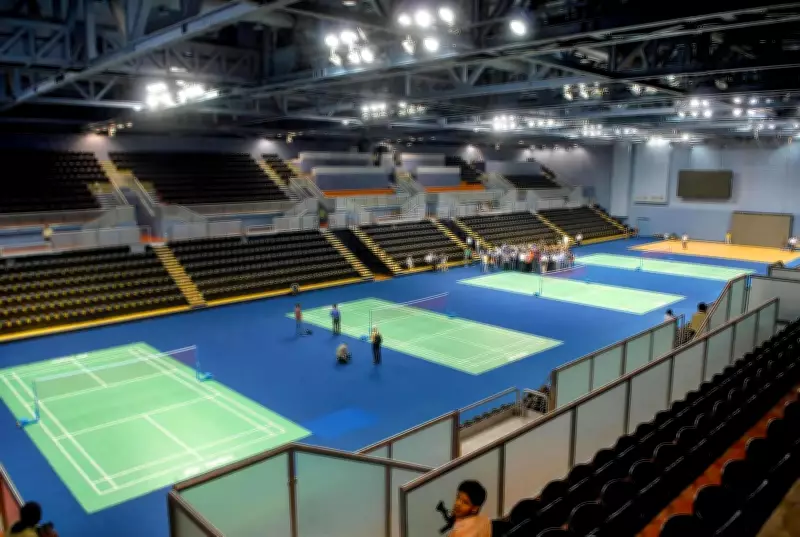
Delhi High Court Emphasizes Core Purpose of Sports Facilities
The Delhi High Court has made a significant observation regarding the fundamental objective of sports complexes across the national capital, stating that their primary purpose of promoting sporting activities must not be diluted through excessive commercialisation. Justice Jasmeet Singh has agreed to examine a detailed petition that highlights the growing trend of using sports arenas for private and commercial events throughout Delhi.
Court Seeks Balance Between Commerce and Athletics
During a crucial hearing on Monday, Justice Singh underscored the critical need to establish a proper equilibrium between permitting limited commercial activities and safeguarding the interests of sportspersons and regular members who utilize facilities such as the Siri Fort Sports Complex (SFSC) and Jawaharlal Nehru Stadium for athletic purposes. The court was addressing a petition filed by a permanent member of SFSC who sought judicial intervention against private functions and large gatherings being organized in a portion of the complex that has been leased by the Delhi Development Authority (DDA) to a private entity.
The petitioner presented compelling allegations that such commercial events were actively disrupting regular sports activities and violating established norms governing the proper use of the sports complex. The court had previously issued formal notice to the DDA and sought its comprehensive response to these serious allegations.

Commercial Activities Cannot Override Core Purpose
Justice Singh provided crucial clarification during the proceedings, stating that while commercial activity is not entirely impermissible within these facilities, it absolutely cannot override the core purpose of sports complexes or infringe upon the fundamental rights of individuals who use these venues for playing sports and athletic training. The High Court also raised pointed questions to the DDA regarding allegations that alcohol was being consumed in clear violation of SFSC rules and regulations.
Representing the DDA, advocate Prabhsahay Kaur assured the court that the authority had issued explicit instructions to SFSC management, mandating that alcoholic beverages could not be served outside the specifically designated area allotted to a fine-dining restaurant operating within the premises. However, senior advocate Puneet Mittal, representing the petitioner, countered this assurance by stating that birthday parties and late-night events continued to be organized even after permissions were granted to serve liquor at the restaurant.
Expanding the Scope of Judicial Examination
The High Court granted Mittal's request to include the Sports Authority of India (SAI) as a party to the plea, enabling SAI to address allegations concerning commercial misuse of both JLN Stadium and Dhyanchand Sports Complex. This expansion significantly broadens the scope of the judicial examination beyond just SFSC to encompass multiple major sports facilities in the capital.
The comprehensive petition seeks multiple important directions from the court, including:
- A directive to government authorities and DDA to remove all commercial encroachments, artificial turf installations, and any other non-permissible landscaping from SFSC
- Mandatory adherence to all established rules and regulations governing sports complexes
- An order restraining authorities from permitting private functions or large gatherings at the complex, particularly beyond 8 pm
- Revision of operational timings in accordance with environmental norms and residential area considerations
- Restraint on issuance of future tenders for new food and beverage outlets on the premises
This judicial intervention represents a significant development in the ongoing debate about balancing commercial interests with the preservation of public sports infrastructure designed primarily for athletic development and community sports participation.