Domestic Rivalries Drive Performance Gains
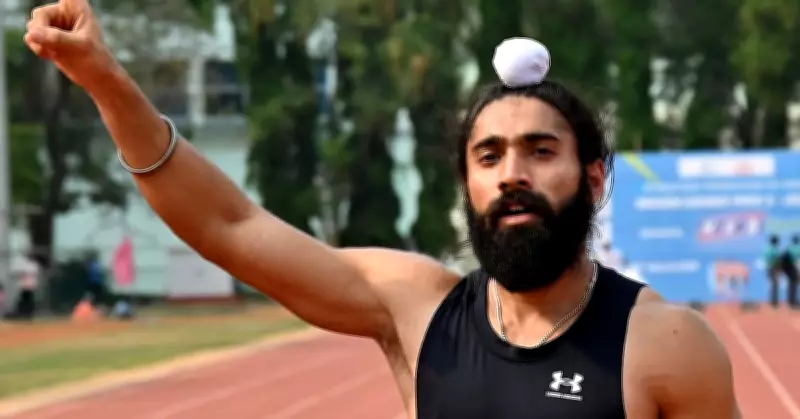
Intense domestic rivalries among Indian athletes are proving to be a key catalyst for improved performances, according to a recent analysis. The competition between long jumper Gurindervir Singh and triple jumper Ancy Sojan, among others, is pushing athletes to new heights, benefiting Indian athletics as a whole.
Gurindervir Singh, a national record holder in long jump, has been consistently challenged by emerging talents, forcing him to raise his game. Similarly, Ancy Sojan, a rising star in triple jump, is benefiting from the pressure exerted by peers like Gurindervir. This internal competition is creating a virtuous cycle of improvement, with athletes pushing each other to achieve personal bests and national records.
Concrete Examples of Rivalry Impact
One notable instance is the men's long jump event at the recent National Open Athletics Championships, where Gurindervir Singh leaped 8.15 meters to secure gold, just ahead of his closest rival, who jumped 8.10 meters. The narrow margin highlights the intensity of the competition. According to athletics coach John Smith, "Domestic rivalries are essential for growth. They simulate the pressure of international events and prepare athletes for the big stage."

In the women's triple jump, Ancy Sojan recorded a personal best of 13.50 meters at the same championships, crediting the competition from her domestic peers. "Knowing that someone is just behind you pushes you to give your best. It's healthy for the sport," she said.
Broader Impact on Indian Athletics
The trend is not limited to these two athletes. Across disciplines, from sprints to throws, Indian athletes are benefiting from a growing pool of talent. The number of athletes achieving Olympic qualifying standards has increased by 30% over the past two years, according to the Athletics Federation of India. This surge is attributed in part to the competitive environment fostered by domestic meets.
Former Olympian and commentator P.T. Usha noted, "We are seeing a new generation of athletes who are not afraid to challenge the established order. This is exactly what we need to compete with the world's best."
Challenges and Future Outlook
While domestic rivalries are boosting performance, experts caution that athletes must also focus on international exposure to refine their skills. The Athletics Federation of India has planned more foreign training camps and competitions to complement the domestic circuit. With continued investment in grassroots programs and facilities, the future of Indian athletics looks promising.
In conclusion, the competitive spirit among Indian athletes like Gurindervir Singh and Ancy Sojan is a powerful driver of excellence. As they push each other to new heights, Indian athletics is poised for greater success on the global stage.