Dutee Chand Voices Strong Opposition to SAI Notices Sent to Former Athletes
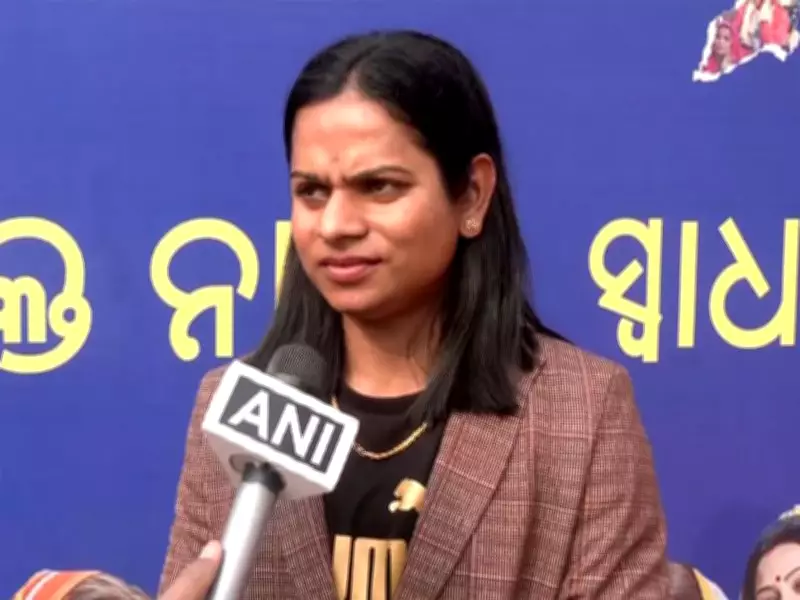
Prominent Indian sprinter Dutee Chand has publicly criticized the recent actions of the Sports Authority of India (SAI), which has issued notices to several retired sportspersons demanding the recovery of alleged dues. Chand, a national record holder and Asian Games medalist, expressed her dismay, stating that such measures are unjust and fail to recognize the lifelong dedication of athletes to representing the country.
'Athletes Always Play for the Country,' Says Chand in Emotional Appeal
In her remarks, Dutee Chand emphasized that athletes consistently compete with national pride and commitment, often sacrificing personal comforts and financial stability. "This notice is not right," she asserted, highlighting the emotional and physical toll that elite sports entail. Chand argued that targeting former athletes with recovery notices could demotivate current and aspiring sportspersons, undermining the spirit of Indian sports.
Background of the SAI Notices and Growing Controversy
The controversy stems from SAI's initiative to reclaim funds allegedly owed by ex-athletes, which may include overpayments or unresolved financial matters from their training periods. This move has sparked a broader debate within the sports community about the treatment of retired professionals and the support systems in place post-retirement.

Key points from the discussion include:
- The potential impact on the morale of athletes who have served the nation.
- Concerns over the transparency and fairness of the recovery process.
- Calls for a more compassionate approach from sports authorities.
Reactions from the Sports Fraternity and Implications for Indian Athletics
Dutee Chand's comments have resonated with many in the sports world, prompting calls for a review of SAI's policies. Experts suggest that such incidents could deter young talent from pursuing sports careers, fearing financial repercussions later in life. The situation underscores the need for robust welfare schemes and clearer contractual agreements for athletes in India.
In conclusion, Dutee Chand's stance highlights a critical issue in Indian sports administration, urging authorities to balance accountability with the recognition of athletes' contributions. Her advocacy may lead to constructive dialogues aimed at improving the ecosystem for both current and former sportspersons.