NFL Community Mourns Loss of Detroit Lions Legend Tracy Scroggins at Age 56
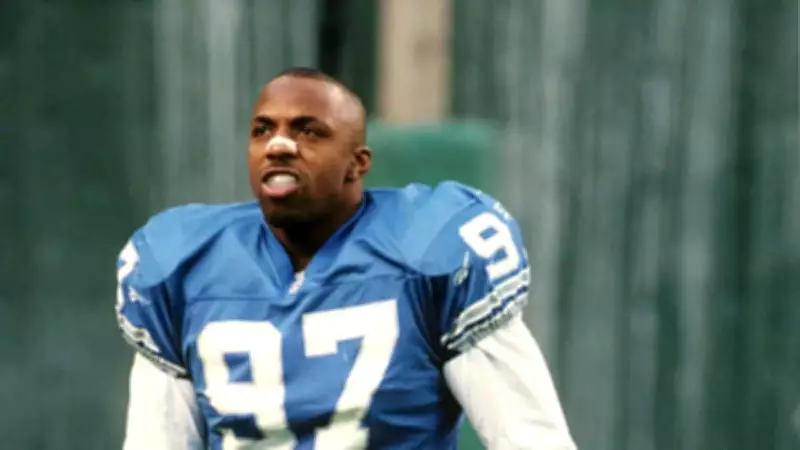
The National Football League is in a state of collective mourning following the tragic passing of former Detroit Lions defensive standout Tracy Scroggins, who has died at the age of 56. His family confirmed this heartbreaking news through an official statement released to TMZ Sports, paying tribute not only to his remarkable athletic career but also to the exceptional human being he remained long after his final snap in professional football.
Family Statement Reveals CTE as Contributing Factor in Untimely Death
The family's poignant message disclosed that Scroggins' death is connected to the devastating long-term effects of chronic traumatic encephalopathy, commonly known as CTE. This degenerative brain disease is scientifically linked to repeated head trauma and concussions, particularly prevalent in contact sports like professional football. The statement transforms a personal tragedy into a powerful commentary on the physical costs of America's most popular sport.
A Rare Decade-Long Career with Single Franchise Loyalty
Tracy Scroggins achieved what few modern NFL players accomplish: spending his entire professional career with one team. The Detroit Lions selected him in the second round of the 1992 NFL Draft as the 53rd overall pick from the University of Tulsa. He immediately established himself as a versatile and physical presence, playing both linebacker and defensive end positions with consistent excellence.

Over ten seasons and 142 career games, Scroggins compiled impressive statistics that cemented his legacy:
- 321 total tackles demonstrating his defensive reliability
- 60.5 quarterback sacks showcasing his pass-rushing prowess
- 1 interception highlighting his all-around defensive capabilities
He retired following the 2001 season without ever wearing another team's uniform, a feat of loyalty increasingly rare in today's transient NFL landscape.
Family Remembers the Man Beyond the Football Player
While his on-field accomplishments were substantial, Scroggins' family emphasized that his true legacy extends far beyond football statistics. Their statement poignantly declared: "It is with profound sadness that we announce the passing of our beloved Tracy Scroggins. Tracy was a devoted father, cherished family member, and loyal friend whose life was marked by remarkable strength and perseverance. While many knew him for his career as a professional football player in the NFL, those closest to him knew him as a kind-hearted and generous man who cared deeply for his family and friends."
The NFL's Double-Edged Sword: Dreams and Consequences
The family's statement presented a nuanced perspective on professional football's impact, acknowledging both its opportunities and its dangers. They noted: "Playing in the NFL gave Tracy the opportunity to pursue his lifelong dream and to rise from poverty. However, unfortunately, the NFL was also ultimately the cause of his untimely demise. Tracy spent every moment of retirement courageously battling the devastating effects of CTE."
This reflection highlights the complex relationship between athletes and the sports that define their lives but can also compromise their health.
Legal Action Against the NFL and Broader Implications
In 2016, Scroggins joined nearly 5,000 former NFL players in filing concussion-related claims against the league, specifically citing CTE-related symptoms that significantly impacted his quality of life. This legal action places his story within the larger context of ongoing debates about player safety, concussion protocols, and the NFL's responsibility toward its athletes' long-term wellbeing.
For Detroit Lions fans who cheered him throughout the 1990s, Tracy Scroggins will be remembered as a tenacious defender who gave his all for the Honolulu Blue and Silver. For his grieving family, he remains a fighter who confronted every challenge with unwavering courage, both on the gridiron and in his private health battles. His passing serves as a sobering reminder of the physical toll exacted by professional football and the urgent need for continued research and protection for athletes at all levels of the game.