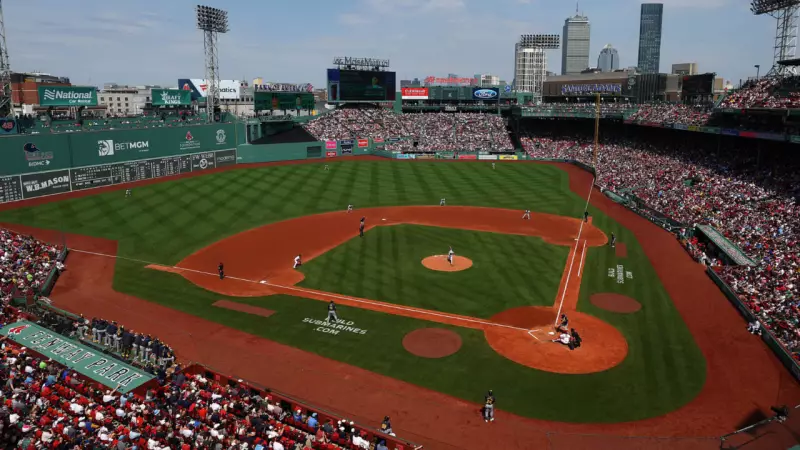
In the world of baseball, few places command the reverence and emotional weight of Fenway Park. More than just a stadium, it stands as a living museum, a cathedral of the sport where history echoes from every beam and seat. For over a century, this iconic ground in Boston has been the hallowed home of the Boston Red Sox, witnessing a spectrum of moments from heart-shattering defeats to glorious, curse-breaking triumphs.
The Birth of a Legend and Its Immortal Heroes
Since its opening in 1912, Fenway Park has been the constant backdrop for the Red Sox saga. Its very fabric is woven with the stories of legends, none more prominent than Ted Williams. The tale of Williams' final day of the 1941 season is etched in baseball lore. Choosing to play a doubleheader rather than protect his stellar batting average, Williams secured six hits. This courageous act cemented his season average at .406, making him the last player in Major League Baseball history to hit over .400 for a full season—a record that stands unchallenged to this day.
Another defining feature, impossible to ignore, is the Green Monster. This towering left-field wall is not mere stadium architecture; it is an active participant in the game. It turns potential home runs into mere singles and turns routine flies into thrilling doubles. For hitters and fielders alike, the Green Monster presents a unique challenge that can alter the fate of a game in an instant, adding a layer of strategic drama found nowhere else.

Drama, Heartbreak, and Ultimate Redemption
Fenway's history is rich with cinematic World Series moments. One of the most iconic occurred in 1975 during Game 6 against the Cincinnati Reds. With the game on the line, Red Sox catcher Carlton Fisk hit a deep drive down the left-field line. The world watched as he famously waved his arms, seemingly willing the ball to stay fair. It struck the foul pole for a walk-off home run, and Fisk's jubilant hop became one of the most replayed images in sports history, perfectly capturing the raw emotion Fenway can produce.
For 86 long years, however, Fenway was also synonymous with a famous heartbreak: the Curse of the Bambino. This period of championship drought defined generations of fans. That profound narrative of longing made the victory in 2004 all the more sweeter. When the Red Sox finally won the World Series that year, Fenway Park transformed from a site of historic frustration into the stage for baseball's greatest modern redemption story. The celebration was not just for a title, but for the lifting of an immense spiritual weight.
Why Fenway Remains Baseball's Beating Heart
In an era of modern, sprawling mega-stadiums, Fenway Park retains its unique, intimate magic. It is a direct link to the sport's past, a place where fans can literally touch history. The park has seen countless victories and defeats since 1912, each adding to its profound legacy. Players speak of the energy emanating from its stands, and fans treat a visit as a pilgrimage. It is this combination of tangible history, architectural quirks like the Green Monster, and deep emotional resonance that secures Fenway Park's status as the most special and historic location in baseball. It is not just where the game is played; it is where the soul of the sport resides.