T20 World Cup Returns to India: A Decade of Transformation
The T20 World Cup makes a triumphant return to Indian soil after a ten-year hiatus, marking a significant milestone for cricket enthusiasts. What began as a rebellious upstart in the cricketing world has evolved into a mature, high-octane spectacle, shedding its skin multiple times to adapt to the demands of modern sport. This format has undergone profound changes, rewriting its DNA to become a ruthless beast that challenges traditional norms and embraces innovation.
The Death of the Anchor Batter
Gone are the days when a steady accumulator could shepherd an innings with cautious play. Post-2016, the anchor role is now viewed as a luxury that no team can afford, as strike rates in the middle overs have skyrocketed. Today's game demands constant boundary-hunting, with batters expected to maintain aggressive intent throughout. This shift has redefined batting strategies, making slow accumulation a relic of the past.
Resurgence of Wrist Spin
In 2016, India entered the T20 World Cup without a frontline wrist spinner, relying instead on orthodox finger spin. The format harshly punished this conservatism, leading to an explosion in wrist spin's popularity. Players like Rashid Khan, Adam Zampa, Adil Rashid, and later Kuldeep Yadav, Varun Chakravarthy, Wanindu Hasaranga, and Noor Ahmad have turned matches with their mastery of googlies, flippers, and variations, making wrist spin a critical weapon in T20 cricket.

Rise of Multi-Skilled Cricketers
Squads for the 2026 T20 World Cup are increasingly built around players who offer at least two disciplines, ensuring versatility in the lineup. Modern teams now stretch their batting order to positions like No. 8 and 9, with genuine batting ability. Batters who can bowl two competent overs or bowlers capable of clearing the boundary ropes have become selection prerequisites, emphasizing the value of all-round skills.
Retired-Out as a Live Tactic
Teams are now prepared to strategically retire a batter who struggles to find the boundary, replacing them with a fresher hitter. This tactic, along with the use of 'phase specialists,' has become a common strategy, allowing teams to optimize their scoring potential during crucial moments of the game.
Powerplay Enforcers at the Top
The first six overs, once dominated by one aggressive batter while the other played cautiously, have transformed. Now, both openers are expected to attack from the very first ball. Players like Phil Salt, Jos Buttler, Abhishek Sharma, and Travis Head arrive with the license to hit aggressively, setting the tone for high-scoring innings.
Middle-Overs Spin Destroyers
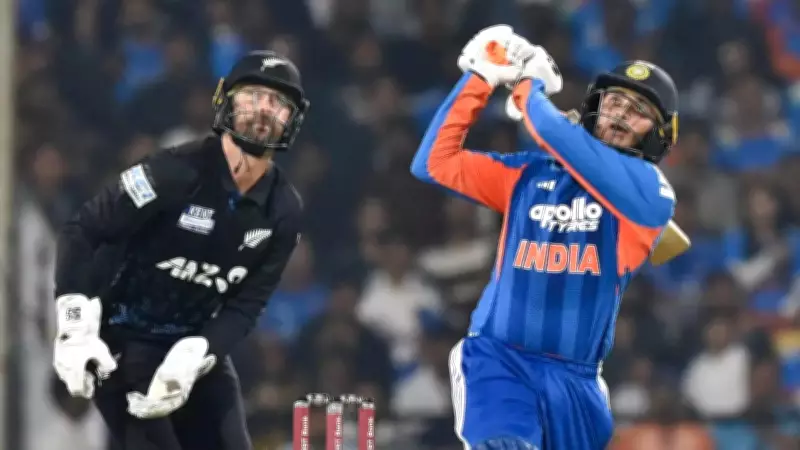
Batters have developed an arsenal of unorthodox shots, including reverse sweeps, switch-hits, and scoops, to dismantle both wrist and finger-spin during the middle overs. This adaptability has made spin bowling a high-risk, high-reward endeavor, forcing bowlers to innovate constantly.
Data-Driven Phase Play and Match-Ups
Teams now slice innings into microsegments, setting specific targets for each phase backed by extensive match-up data. This analytical approach influences field settings, bowling changes, and strategic decisions, turning cricket into a game of probabilities and calculated risks.
Bowling Variety
T20 cricket has produced seamers capable of bowling six different slower balls, yorkers from wide angles, and back-of-the-hand change-ups that mimic leg-spin. Spinners, meanwhile, have shortened run-ups, flattened trajectories, and added carrom balls and sliders, turning the middle overs into an experiment in deception and skill.
As the T20 World Cup 2026 approaches, these defining shifts highlight how the format has matured into a dynamic and unpredictable spectacle, driven by innovation and strategic evolution.