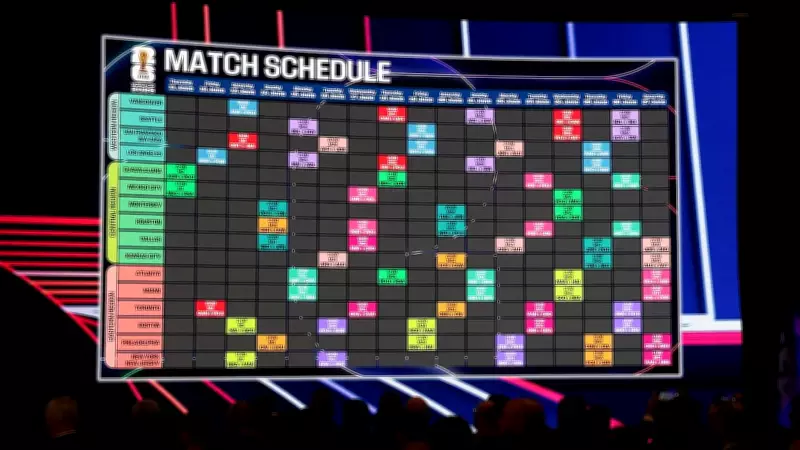
The FIFA World Cup 2026 will introduce a groundbreaking 48-team format, the largest in the tournament's history, replacing the previous 32-team structure. This expansion brings significant changes to the group stage and knockout qualification process, aiming to include more nations while maintaining competitive balance.
Expanded Field and Group Stage Structure
The tournament will feature 48 teams divided into 12 groups of four. Each group will play a round-robin format, with every team playing three matches. This structure increases the total number of matches from 64 to 104, offering more opportunities for participating nations.
According to FIFA, the new format ensures that each team plays at least three matches, up from two in some previous editions, enhancing the experience for players and fans alike.

Knockout Qualification Process
The top two teams from each group (24 teams) automatically advance to the knockout stage. Additionally, the eight best third-placed teams will qualify, bringing the total knockout stage participants to 32 teams. This marks a shift from the previous 16-team knockout round.
FIFA has outlined clear tiebreaker criteria for ranking third-placed teams: points, goal difference, goals scored, head-to-head record, and fair-play points (based on yellow and red cards). If still tied, a draw will determine the qualifier.
Knockout Progression
The knockout stage begins with a round of 32, followed by the round of 16, quarter-finals, semi-finals, and the final. Matches that are tied after regulation time will proceed to extra time (two 15-minute periods) and, if necessary, a penalty shootout.
This format ensures a single-elimination path to the championship, with no third-place playoff for teams eliminated in the semi-finals.
Impact and Statistics
The 48-team format increases the total number of matches by over 60%, from 64 to 104. The group stage alone will feature 72 matches (12 groups × 6 matches each), compared to 48 in the 32-team format. The knockout stage will include 32 matches, up from 16.
This expansion is expected to boost global participation and revenue, with more nations experiencing World Cup football. However, critics have raised concerns about potential dilution of quality and increased player workload.
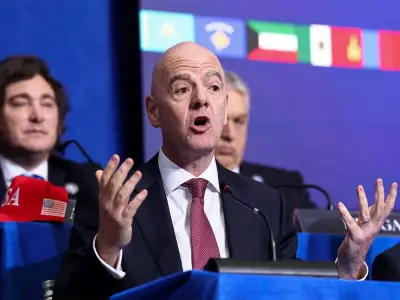
FIFA President Gianni Infantino stated, "The 2026 World Cup will be a celebration of football, bringing together more nations than ever before. The new format ensures every team has a fair chance to progress while maintaining the excitement of knockout football."