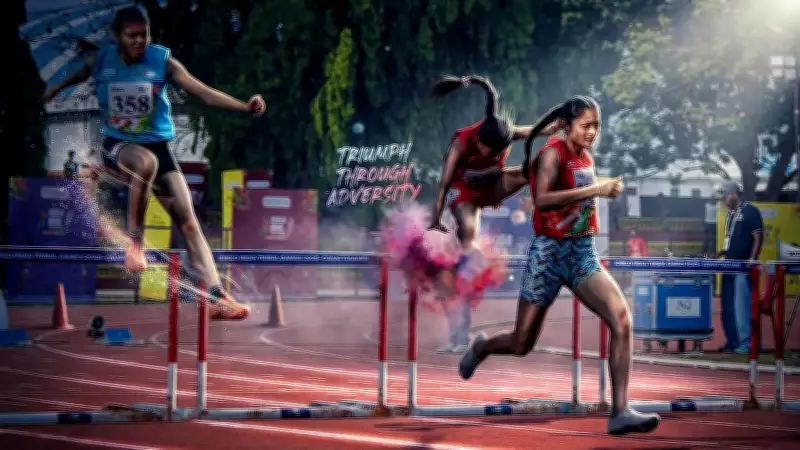
From Forest Playgrounds to National Glory: The Inspiring Journey of Tribal Athletes
President Droupadi Murmu has highlighted a remarkable phenomenon observed in rural and forest regions across India. In these areas, children demonstrate extraordinary creativity by transforming their natural surroundings into vibrant sports arenas. Without access to conventional playgrounds or equipment, these young minds ingeniously utilize whatever materials nature provides to fuel their athletic passions.
Natural Ingenuity in Play
Murmu noted that children in these regions spend significant time outdoors, immersed in their environment. Their play is characterized by remarkable resourcefulness:
- They create playing fields by drawing lines and shapes directly on the ground
- Fruit seeds serve as makeshift dice for various games
- Balls are crafted from dry leaves, tree roots, and discarded rags
- Bamboo poles become goalposts for hockey and football matches
This organic approach to sports equipment demonstrates how children build complete sporting worlds from natural materials found in their immediate surroundings.

The Spirit of Uninhibited Play
What makes this phenomenon particularly noteworthy is the enthusiasm with which children engage in these activities. Many participate without shoes or proper jerseys, yet their passion remains undiminished. Swimming represents another significant aspect of their athletic development, with ponds and lakes serving as natural training grounds for aquatic skills.
This environment fosters not just physical development but also cultivates resilience, creativity, and a deep connection to natural resources that urban children rarely experience.
From Natural Talent to National Recognition
The most compelling evidence of this system's effectiveness comes from Anjali Munda, a 15-year-old from Jajpur, Odisha. Hailing from this very background of natural play and resourcefulness, Munda has transformed her innate swimming talent into national glory.
During the inaugural Khelo India Tribal Games, Munda achieved an extraordinary feat by winning three gold medals on the competition's first day. Her success has inspired youth across the entire country, demonstrating how talent nurtured in forest and rural environments can excel on national platforms when combined with proper training and resources.
The Broader Implications
Murmu's observations highlight several important aspects of sports development in India:
- Resourcefulness as Foundation: The ability to create sports equipment from natural materials develops problem-solving skills that benefit athletic performance
- Accessibility: This approach makes sports participation possible even in areas without formal infrastructure
- Talent Identification: Natural environments serve as effective talent nurseries that can be leveraged through programs like Khelo India
- Cultural Preservation: These traditional play methods represent important cultural practices worth preserving and celebrating
The success of athletes like Anjali Munda validates the potential of this grassroots approach to sports development. It suggests that India's rural and forest regions contain untapped reservoirs of athletic talent that, with proper support and training, can achieve remarkable success on national and international stages.
As India continues to develop its sports infrastructure through initiatives like Khelo India, recognizing and nurturing talent from these natural environments will be crucial for building a diverse and successful sporting nation.