Formula E's Educational Series on Energy Management Gains Momentum Amid F1's Hybrid Transition
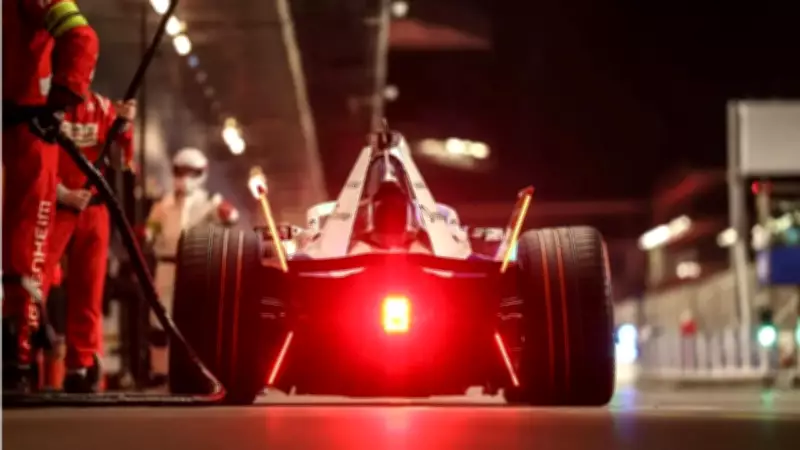
Formula E, now in its twelfth season, continues to pioneer sustainable motor racing entertainment, captivating fans with its innovative approach. The championship's popularity has surged notably this season, coinciding with Formula One's introduction of hybrid powertrains. This shift has left many seasoned F1 drivers feeling nervous and frustrated, transforming what is often considered the pinnacle of motorsport into what some critics describe as a peculiar experiment.
Big Time's Jeremiah Burton Hosts Insightful Series on Energy Management
In response to the growing interest and complexity of electric racing, Big Time's Jeremiah Burton has taken the initiative to host a comprehensive six-episode series. This educational program aims to demystify the concept of energy management in Formula E races, featuring valuable inputs from prominent drivers such as Jake Dennis, Lucas di Grassi, and Zane Maloney. The series serves as a crucial resource for fans seeking to understand one of the sport's most fundamental aspects.
The first episode, titled "Coding the Chaos," was shared by Formula E on social media platforms, where Burton breaks down energy management in an accessible and straightforward manner. This episode marks the beginning of a six-part exploration into the engineering intricacies behind Formula E, highlighting that energy management during a race extends beyond mere driving skill. It involves a holistic team strategy that ultimately determines the outcome of each competition.

Driver Insights Highlight the Unpredictable Nature of Formula E
Sao Paulo E-Prix winner Jake Dennis offers his perspective in the video, emphasizing the unique appeal of Formula E. He states, "I just love the unknown of Formula E. I think that's what is great about it. You can basically lead the whole race, think you are doing a great job, but then in the last two laps, you can run out of energy and end up finishing sixth or seventh." This sentiment underscores the high-stakes and unpredictable dynamics that define the sport.
Lucas di Grassi further elaborates on the challenges and strategies involved, explaining, "People have to understand we are pushing 100 percent all the time. It's just that what changes is sometimes you are allowed to use more or less energy to gain or defend a position, which means you are driving fast but also efficiently. And if you do that, for sure, you are going to have a good result in the race." His comments shed light on the delicate balance between speed and efficiency that drivers must master.
Fan Reactions Praise the Series and Compare Formula E to F1
Fans have responded enthusiastically to Jeremiah Burton's explanation of energy management in the first episode. On YouTube, one fan commented, "Someone should send this video to the Formula 1 drivers, it may help them out." This remark reflects a broader sentiment among viewers who see Formula E as a model for understanding modern racing technologies.
Another long-time F1 enthusiast shared, "I've been watching F1 for over 40 years now, but this year it has changed so much. I'll start watching Formula E as well, it should help me understand what F1 is trying to do." This indicates a growing crossover interest as traditional motorsport evolves.
Additional fan comments highlight the technical and strategic depth of Formula E. One noted, "One of the best things about racing is the tech and driver skill. It is crazy to see how far the teams in Formula E take all those factors! Love it." Another added, "The best part is that drivers and teams do not always know exactly how much battery they have. The fact that there is a lot less data makes for quite exciting races." These reactions underscore the sport's appeal in combining innovation with thrilling competition.

Upcoming Events and Future Prospects
Formula E is set to return with Round 7 of Season 12 in Berlin, with the Berlin E-Prix scheduled from May 1 to 3. This event promises to continue the championship's momentum, offering fans more opportunities to witness the strategic energy management discussed in the series. As the sport grows, such educational initiatives are likely to play a key role in engaging and expanding its audience, particularly in a landscape where traditional motorsport faces technological transitions.