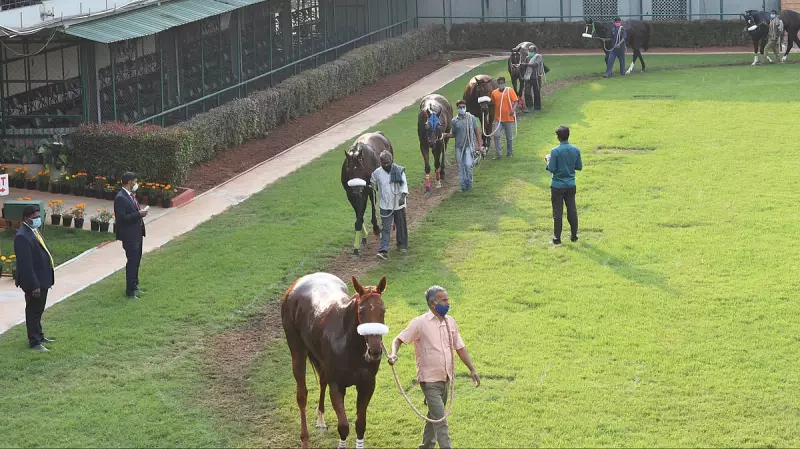
Racing Calendars in Disarray as Contagious Disease Strikes
The vibrant horse racing circuits of Karnataka are facing a severe crisis. A dangerous outbreak of glanders, a highly contagious and often fatal bacterial disease, has put major racing events in Bengaluru and Mysuru under serious threat. The situation escalated after five horses reportedly tested positive for the disease, sending shockwaves through the sporting community.
Statewide Alert Following Positive Cases
Authorities have confirmed the infection in multiple animals, leading to immediate quarantine protocols and heightened biosecurity measures. This outbreak mirrors a pattern that has already brought racing activities to a standstill in other southern hubs. Racing in Hyderabad and Chennai has been paralysed due to earlier instances of the disease, highlighting its rapid and disruptive spread.
The timing of this outbreak could not be worse for the racing calendars of Bengaluru and Mysuru. Organisers and turf clubs are now grappling with the possibility of postponements or outright cancellations to prevent further transmission. The disease, caused by the bacterium Burkholderia mallei, poses a significant risk to equine populations and can also be transmitted to humans, making its containment a top public and animal health priority.

Economic and Sporting Fallout Looms Large
The implications of this health scare extend far beyond the stables. The horse racing industry is a significant economic engine, supporting jobs in training, hospitality, betting, and event management. A prolonged suspension of races could lead to substantial financial losses for all stakeholders involved.
Fans and punters who eagerly await the racing seasons in these cities are now left in uncertainty. The report of this outbreak was last updated by Sidney Kiran on 04 December 2025, at 15:20 IST, marking a critical point in the ongoing management of the situation. Veterinary teams are working round the clock to test other animals in contact and sanitize facilities.
This incident underscores the perpetual vulnerability of the sporting world to biological threats. It serves as a stark reminder of the need for robust, year-round disease surveillance and rapid response mechanisms within the equine industry to protect both animal welfare and the cultural tradition of horse racing in India.