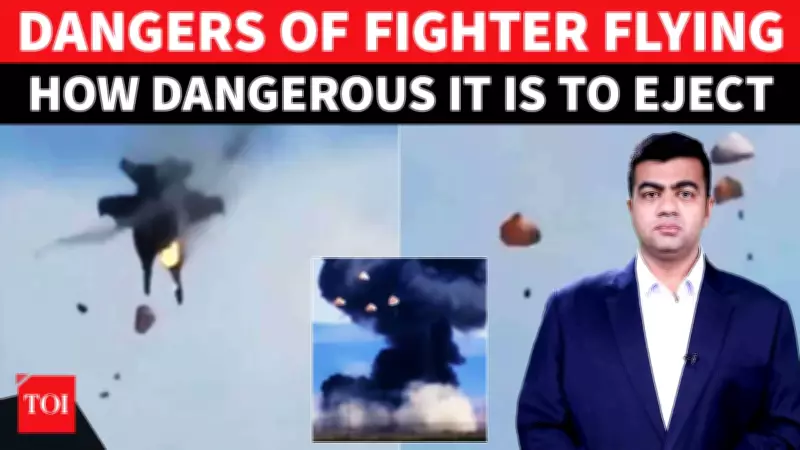
The recent collision of two US Navy E/A-18 Growlers during the Gunfighter Skies Air Show has brought renewed attention to the perilous nature of low-level display flying. At altitudes as low as 100 feet and speeds exceeding 250 meters per second, pilots have less than a second to react, leaving no margin for error. Despite rigorous safety protocols implemented after past tragedies, air shows remain inherently hazardous for those in the cockpit.
Ejection Technology in Action
This incident demonstrated the remarkable effectiveness of modern ejection seats. Within eight seconds, all four pilots had deployed their parachutes, with the final chute opening just four seconds after the first. The swift sequence underscores the precision engineering behind ejection systems, which are designed to function reliably even in the most extreme conditions.
Physical Toll on Pilots
Survival, however, comes at a significant physical cost. Pilots endure forces of 20 to 30 Gs during ejection, which can lead to spinal compression fractures, limb injuries, and other trauma. The human body is not built to withstand such forces, and even with advanced training and equipment, injuries are common. Despite these risks, all four Growler pilots survived, thanks to a combination of training, instinct, and favorable aircraft orientation at the moment of ejection.

Lessons from the Incident
The collision highlights both the dangers of air displays and the lifesaving precision of ejection technology. While safety measures have reduced fatalities over the years, the margin for error remains razor-thin. Pilots must make split-second decisions, often relying on muscle memory and rigorous training to execute emergency procedures. The successful ejection of all four crew members is a testament to the advancements in aerospace engineering and the resilience of the human spirit.
As investigations continue, the aviation community will analyze every aspect of this event to further improve safety. For now, the incident serves as a stark reminder of the risks taken by those who perform in the skies, and the technology that gives them a fighting chance to survive.