Beyond Medals: The Untapped Potential of India's Disability Sports Ecosystem
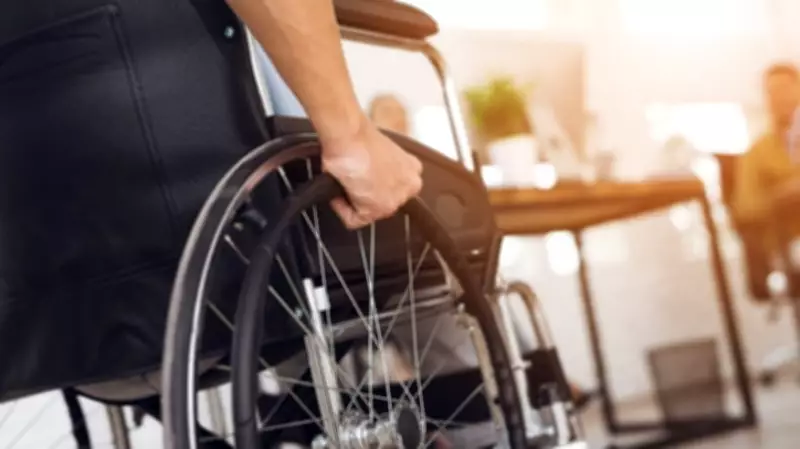
In a nation of over 1.4 billion people, India is home to more than 100 million Persons with Disabilities (PwDs), a significant demographic that represents immense untapped potential in various fields, including sports. However, a stark reality persists: only a handful of these individuals get the opportunity to feature in structured sports programs through established systems. This gap underscores a critical need for systemic support and inclusion in India's sporting landscape.
The Current State of Disability Sports in India
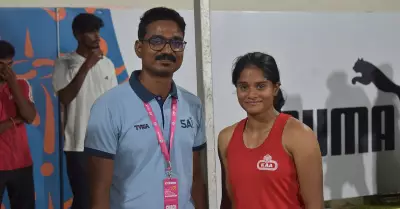
India's sports infrastructure for PwDs is anchored by key initiatives such as the Sports Authority of India's National Centres of Excellence (SAI NCOEs), the Target Olympic Podium Scheme (TOPS), and grassroots programs under Khelo India. These frameworks are designed to identify, nurture, and support athletes, yet their reach remains limited. While these programs have produced notable successes, including Paralympic medalists, they cater to only a fraction of the PwD population. The majority of individuals with disabilities face barriers such as lack of awareness, inadequate facilities, and limited access to training, which prevent them from participating in competitive sports.
Challenges in Accessing Structured Sports Programs
The disparity in opportunities for PwDs in sports stems from several systemic challenges. Firstly, there is a significant gap in grassroots outreach, with many rural and underserved areas lacking specialized coaching and infrastructure tailored for disabilities. Secondly, financial constraints often hinder participation, as adaptive equipment and travel for competitions can be costly. Thirdly, societal attitudes and stigma towards disabilities can discourage individuals from pursuing sports. Programs like Khelo India aim to address these issues at the grassroots level, but scaling them to reach millions remains a daunting task.

The Role of SAI NCOEs, TOPS, and Khelo India
SAI NCOEs provide high-performance training centers for elite athletes, including those with disabilities, but their capacity is limited to a select few. TOPS offers financial and logistical support to medal contenders, yet it often focuses on athletes who have already proven their mettle, leaving many aspiring PwDs without initial backing. Khelo India's grassroots initiatives are crucial for early talent identification, but they need enhanced inclusivity to better integrate PwDs. Strengthening these systems through expanded funding, specialized training modules, and community engagement could bridge the gap.
Moving Forward: A Call for Inclusive Sports Development
To harness the full potential of India's PwDs in sports, a multi-pronged approach is essential. This includes increasing investment in disability-specific sports infrastructure, promoting awareness campaigns to encourage participation, and integrating PwDs into mainstream sports programs. Collaboration between government bodies, NGOs, and private sectors can drive innovation in adaptive sports technology and coaching. By prioritizing inclusion, India can not only boost its medal tally but also foster a more equitable and empowering environment for all athletes.
In conclusion, while India has made strides with programs like SAI NCOEs, TOPS, and Khelo India, the journey towards comprehensive support for disability sports is far from over. With over 100 million PwDs, the nation has a vast reservoir of talent waiting to be unlocked. By addressing systemic barriers and championing inclusivity, India can transform its sporting narrative from one of limited opportunities to a story of widespread empowerment and achievement.