IndyCar Driver Scott McLaughlin Survives Terrifying High-Speed Crash at Barber Motorsports Park
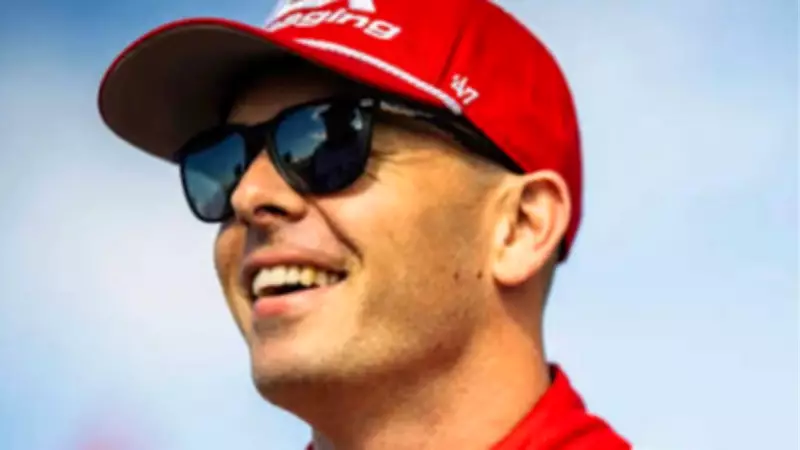
In a heart-stopping moment that captivated motorsports fans worldwide, IndyCar driver Scott McLaughlin experienced a frightening high-speed crash during a live practice session at Barber Motorsports Park in Alabama on Saturday. The dramatic incident, which unfolded before a shocked audience watching on Fox Sports 1, showcased both the dangers of professional racing and the remarkable safety advancements that saved the driver from serious injury.
The Terrifying Sequence of Events
The crash occurred as McLaughlin was preparing to navigate a left-hand turn at the challenging circuit. According to eyewitness accounts and broadcast commentary, the New Zealand driver made a slight but critical error by touching the grass with one of his wheels while entering the turn. This minor mistake proved catastrophic at racing speeds.
McLaughlin's car immediately spun out of control, sending it careening toward the track barriers at an estimated speed between 150 and 170 miles per hour. The impact was so violent that the vehicle didn't simply stop at the barrier—it tore through the protective fencing and continued beyond the track perimeter before finally coming to rest near a cluster of trees.

Immediate Response and Miraculous Outcome
Safety crews demonstrated exceptional professionalism and speed in their response to the alarming situation. They rushed to the crash site, quickly dismantled sections of the damaged fencing, and reached McLaughlin inside his severely compromised vehicle. What happened next astonished everyone witnessing the scene.
Despite the extreme violence of the impact and the extensive damage to his car, McLaughlin was carefully extracted from the wreckage and—to the immense relief of fans, team members, and officials—was able to walk away from the accident under his own power. This miraculous outcome highlighted the effectiveness of modern racing safety systems, including advanced chassis design, energy-absorbing barriers, and comprehensive driver protection equipment.
McLaughlin's Racing Pedigree and Remarkable Resilience
Scott McLaughlin is no stranger to high-pressure racing situations. The accomplished driver previously dominated Australia's Supercars Championship, securing three consecutive titles in 2018, 2019, and 2020 before transitioning to IndyCar competition with the prestigious Team Penske organization in 2021. Since joining the American open-wheel series, McLaughlin has established himself as a formidable competitor with seven race victories and twenty-three podium finishes to his credit.
Perhaps most remarkably, McLaughlin demonstrated extraordinary resilience following the crash. Rather than withdrawing from the day's events, he returned to the track for qualifying sessions later that same afternoon. Displaying remarkable focus and determination, he posted a competitive time that earned him fourteenth position on the starting grid among twenty-five drivers.
Broader Racing Context and Safety Reflections
The day's qualifying session saw other notable performances, with Alex Palou securing pole position for Chip Ganassi Racing. Meanwhile, Mick Schumacher—competing in his debut IndyCar season with Rahal Letterman Lanigan Racing—qualified twentieth, continuing his adaptation to the demanding series after previously acknowledging the steep learning curve he faced.
The McLaughlin incident serves as a powerful reminder of the inherent risks in motorsports while simultaneously showcasing how far safety technology and protocols have advanced. Modern racing incorporates multiple layers of protection, including:
- Advanced impact-absorbing chassis designs
- Comprehensive head and neck support systems
- Improved track barriers and runoff areas
- Rapid-response medical and extraction teams
As the racing community processes this dramatic event, the primary takeaway remains clear: what appeared to be a potentially catastrophic accident concluded with the driver emerging unharmed—a testament to both McLaughlin's physical conditioning and the sophisticated safety measures that define contemporary motorsports.