Iranian Women Footballers Reverse Asylum Decision Amid Alleged Coercion
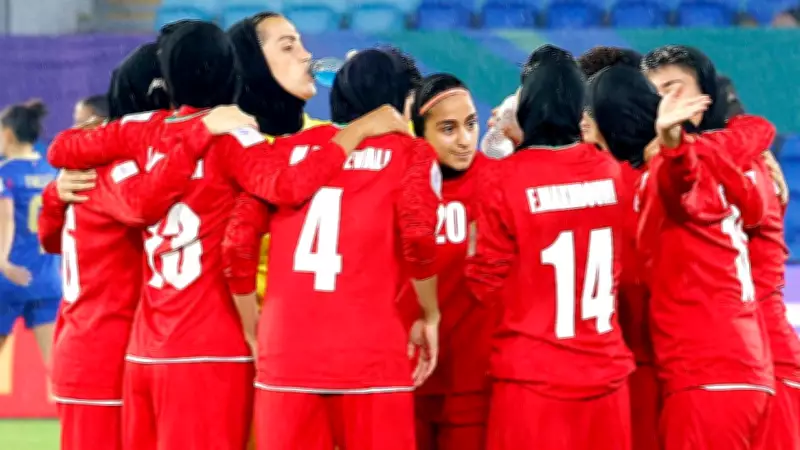
In a dramatic reversal, five members of Iran's women's national football team who had previously sought asylum in Australia have now withdrawn their applications and plan to return to Iran. This development follows intense global scrutiny after the players initially refused to sing Iran's national anthem during the Women's Asia Cup held in Australia, sparking fears of retaliation from Iranian authorities.
From Protest to Protection to Pressure
The situation began during the Women's Asia Cup tournament when several Iranian players made the silent but powerful gesture of not singing their national anthem before a match. This act of protest quickly captured international attention, highlighting the political tensions surrounding women athletes in Iran. In response, the Australian government granted humanitarian visas to seven Iranian football players and support staff, providing them temporary sanctuary while they considered their future options.
The athletes had expressed genuine fear of punishment if they returned to Iran, with Iranian state television labeling them "wartime traitors." Their plight resonated globally, even drawing public support from former United States President Donald Trump. However, the narrative has taken an unexpected turn as five of the seven individuals have now reversed their asylum decisions under what many describe as coercive circumstances.

Captain's Return and Official Narrative
The latest and most prominent figure to change course is team captain Zahra Ghanbari, who reportedly decided on Monday that she would return to Iran. Iranian state media swiftly framed this development positively, with the Islamic Republic News Agency (IRNA) stating Ghanbari was "returning to the embrace of the homeland" and Mehr News Agency characterizing her move as a "patriotic decision."
However, these official narratives are being challenged by individuals close to the situation who allege the players are acting under duress rather than making free choices.
Allegations of Coercion and Threats
Tina Kordrostami, a Sydney councillor of Iranian origin, has provided disturbing insights into the pressures facing the athletes. Speaking to Fox News, Kordrostami revealed that the women received direct communications from officials connected to the Iranian government, including persistent influence from an individual in Sydney and Brisbane who undermined Australia's offers of support.
"When you see these women turning back to Iran and not seeking our help in Australia, do not think this is their request. They are being coerced, they are being threatened, they are being intimidated, this is not a choice of their own," Kordrostami emphasized, painting a starkly different picture from the Iranian media's portrayal.
Further reports from the Dutch newspaper AD suggest players were warned their families in Iran could face severe consequences, with relatives potentially treated like "hostages" if the athletes remained abroad. Former Iranian futsal player Shiva Amini, now living outside Iran, echoed these concerns on social media platform X, stating that authorities were targeting players' families to compel their return.
Official Responses and Conflicting Accounts
Australian Federal Minister Kristy McBain addressed the situation, stating that her government had worked to ensure the women had "every opportunity to make their own decisions" safely. Meanwhile, Iranian media outlet Tasnim News Agency claimed the players had fallen victim to "psychological warfare, extensive propaganda and seductive offers" during their time in Australia.
Adding another layer of complexity, Asian Football Confederation General Secretary Windsor John reported that he had not received any official complaints from the players and that they did not appear scared or demotivated when he met with them. This conflicting account highlights the opaque nature of the situation and the difficulty in ascertaining the players' true sentiments.

Immediate Future and Broader Implications
The players are now expected to reunite with the rest of the Iranian team in Malaysia before ultimately traveling back to Iran. This case underscores the precarious position of female athletes in countries with restrictive regimes and raises serious questions about international protection mechanisms when geopolitical pressures intervene.
The reversal of asylum decisions by these footballers represents not just a personal tragedy for the individuals involved but also a concerning precedent for athletes worldwide who might consider using their platform to express dissent. The allegations of coercion, if substantiated, would represent a troubling violation of basic human rights and the principle of free choice.