Joe Rogan's Pivotal Decision to Leave Fighting Behind
In the world of combat sports broadcasting, Joe Rogan stands as one of the most recognizable voices, providing expert commentary for Ultimate Fighting Championship events. However, long before he became synonymous with mixed martial arts analysis, Rogan pursued a very different path as an active competitor in full-contact fighting disciplines.
From Martial Arts Prodigy to Comedy Pioneer
As a dedicated teenager, Joe Rogan immersed himself completely in taekwondo training, developing the foundation that would later expand into kickboxing and Muay Thai practice. By his early twenties, he had compiled an impressive competitive record that suggested potential for advancement to higher levels of professional fighting.
Instead of pursuing this path, Rogan made the surprising decision to step away from competition at just 22 years old, redirecting his energy and ambition toward standup comedy. This career shift wasn't born from fading interest but rather from serious health considerations and practical realities about the fighting profession.

The Brain Trauma Reality That Changed Everything
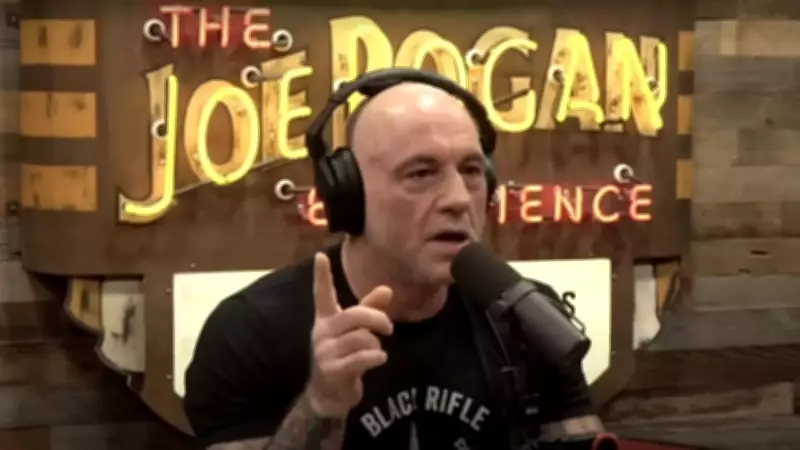
During a revealing episode of his popular podcast, The Joe Rogan Experience, the commentator detailed the specific factors that led to his departure from active competition. Brain trauma emerged as the primary concern that ultimately convinced him to change directions.
"I started doing boxing and kickboxing and I saw so much brain damage," Rogan explained. "I saw so much unreported brain damage. Just weird stuff. Guys would tell you the same story they just told you five minutes ago. They just tell it to you again."
He elaborated on this disturbing pattern, noting, "I realized oh these guys can't remember that they just said this thing five minutes ago. It was like they were stoned and they weren't. They were just starting to exhibit the beginning signs of brain damage."
Financial Limitations and Physical Vulnerability
Beyond the neurological risks, Rogan faced another harsh reality: limited financial opportunity in the fighting world during that era. "There was essentially no way to have a career other than teaching," he recalled. "And so when I started to get into stand up comedy, I realized, 'Oh wow, I could make a living doing this.' Like there's actually a real path."
The economic contrast became starkly apparent as he observed, "While everyone I know in fighting is broke or they're slurring their words. Guys from the gym would be in gym wars; they don't know where they parked their car."
A Tournament Incident That Haunted Him
Rogan shared a particularly disturbing memory from a national tournament in California when he was just 19 years old. "I knocked this one guy out when I was 19 in California, I was competing in the nationals. I [knocked out] this guy and he never got up," he recounted.
The aftermath proved traumatic: "They had to take him on a stretcher and he was on a stretcher for half an hour and they took him to the hospital and it freaked me out. Because I was like that could have easily been me. It easily could have been me. That one bothered me because it's like what am I doing? Like why am I doing this?"
The Final Straw: A Devastating Knee Injury
Soon after this incident, Rogan suffered a serious knee injury that would ultimately seal his decision. "I tore my ACL and when I tore my ACL, I had to have surgery and I couldn't do anything for like six months," he explained.
This physical setback prompted deeper reflection: "Then I realized my body's vulnerable. You're counting on your tissue staying intact in order to live this life that you want to live." The reconstruction surgery occurred when he was approximately 22, coinciding perfectly with his growing doubts about continuing in competitive fighting.
A New Path Emerges
During his recovery period, comedy began to take center stage in Rogan's life. "Later, 'comedy became a thing,' and it was very exciting for him," he recalled of that transitional phase. While he left active competition behind, Rogan maintained his connection to the fight world through analysis and his continued status as a black belt practitioner.

This combination of health concerns, financial practicalities, and physical vulnerability created the perfect storm that pushed one of combat sports' most famous voices away from the cage and toward the microphone, ultimately shaping the career trajectory that would make him a household name across multiple entertainment mediums.