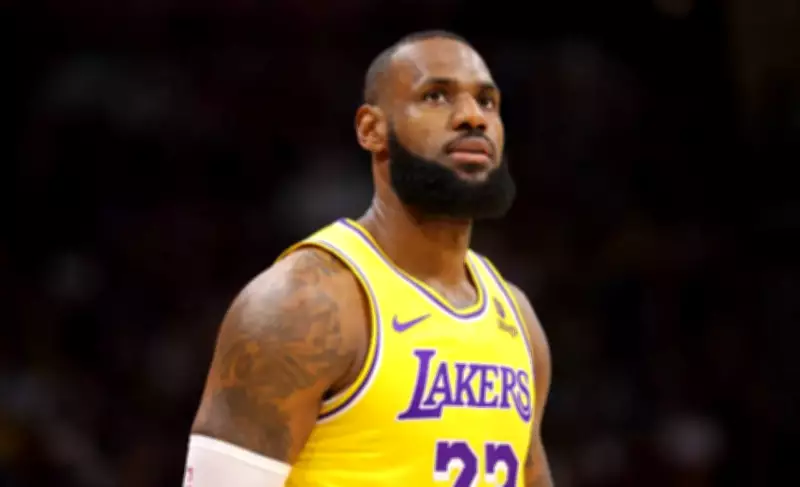
LeBron James Sidelined for Lakers-Thunder Clash Amid Injury Management
The Los Angeles Lakers face a significant challenge on Tuesday night as they take on the Oklahoma City Thunder without their star forward, LeBron James. The 41-year-old veteran has been officially ruled out of the game as he continues to manage a persistent left foot issue, a decision that underscores the team's strategic focus on long-term playoff health over immediate regular-season results.
Injury Details and Timeline for LeBron James
LeBron James was initially listed as "GTD - Foot" on the injury report, with a potential return date set for April 7, 2026. However, subsequent updates have confirmed his absence from this crucial matchup. Throughout the season, he has been battling left foot arthritis and swelling, which has impacted his performance and availability. In his last 13 games, James averaged 17.6 points while shooting 54.4% from the field, but the increased workload in the absence of other key players likely contributed to the decision to rest him now.
Lakers' Injury Crisis Deepens Against Thunder
The Lakers' roster is severely depleted for this game, with four key starters sidelined due to various injuries. The absence of LeBron James, combined with injuries to Luka Doncic, Austin Reaves, and Marcus Smart, leaves the team without most of its primary ball-handlers and shot creators. This situation presents a formidable obstacle against a strong Thunder squad.

- LeBron James: Out with left foot injury management.
- Luka Doncic: Out with a Grade 2 left hamstring strain, expected to return around May 1.
- Austin Reaves: Out with a Grade 2 left oblique strain, expected to return around May 1.
- Marcus Smart: Out with a right ankle contusion.
Roster Adjustments and Game Strategy
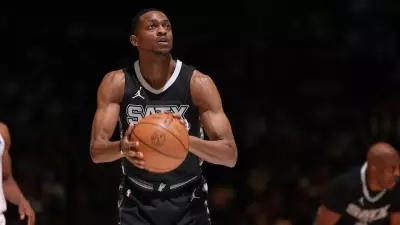
With these key players unavailable, the Lakers will rely on a mix of remaining talent to fill the void. The available roster includes Dalton Knecht, Bronny James, Jarred Vanderbilt, Jaxson Hayes, Maxi Kleber, and Jake LaRavia. In this game, the team is expected to depend heavily on Anthony Davis in the paint, while D'Angelo Russell and younger guards will handle much of the scoring and playmaking duties. Wings such as Knecht and Vanderbilt will need to step up significantly to compensate for the missing firepower.
Thunder's Form and Season Dominance
The Oklahoma City Thunder enter this matchup in excellent form, boasting a 62-16 record and riding a wave of momentum. Their roster features standout players like Shai Gilgeous-Alexander, Chet Holmgren, Luguentz Dort, Isaiah Hartenstein, Cason Wallace, Jaylin Williams, and Aaron Wiggins. The Thunder have already defeated the Lakers three times this season, including a decisive victory in March, positioning them as favorites in this encounter.
Playoff Implications for the Lakers
The Los Angeles Lakers currently hold a 50-28 record and are third in the Western Conference, but they are only narrowly ahead of the Denver Nuggets. The team has also suffered losses in their last two games, adding pressure to their playoff positioning. Resting LeBron James reflects a calculated risk to prioritize his health for the postseason, as evidenced by a recent game where, without Doncic and Reaves, he recorded 30 points and 15 assists but required 22 shots—a workload the team aims to avoid at this critical juncture.
What to Expect in Tonight's Game
Without LeBron James, the Lakers will likely run their offense through Jarred Vanderbilt, with Russell and Knecht providing additional scoring support. Defensively, Vanderbilt and Max Christie will be tasked with containing Shai Gilgeous-Alexander and the Thunder's perimeter threats. Meanwhile, OKC will look to exploit the Lakers' depleted lineup by controlling the tempo and capitalizing on their opponent's weaknesses. This game serves as a test of depth and resilience for both teams as the regular season winds down.
The decision to sit LeBron James underscores the Lakers' commitment to ensuring his fitness for the playoffs, even if it complicates their chances in this specific game. As the postseason approaches, managing player health becomes paramount, and this move highlights the strategic balancing act faced by contending teams in the NBA.