Olympic Celebration Turns to Social Media Debate After SNL Appearance
The celebration of USA men's hockey team's Olympic gold medal victory at the 2026 Winter Games in Milano Cortina has taken an unexpected turn, reigniting public debate through a Saturday Night Live cameo and social media activity. What began as a triumphant moment for American athletes has evolved into a conversation about gender dynamics in sports, with prominent figures like gymnast Livvy Dunne adding subtle commentary.
The Original Controversy: Presidential Remarks in Locker Room
Following the USA men's team's gold medal victory over Canada, cameras captured President Donald Trump joking in the team's locker room about inviting both the men's and women's teams to the White House. "I must tell you, we're gonna have to bring the women's team. You do know that?" he remarked, prompting laughter from the assembled athletes and staff.
While seemingly lighthearted on the surface, many viewers interpreted the reaction as suggesting the women's team was an afterthought rather than an equal champion. This perception gained traction because the USA women's hockey team had also defeated Canada for gold, achieving parallel success that some felt deserved equal recognition from the outset.

SNL Segment Revives the Conversation
The debate resurfaced dramatically on February 28 when Olympic gold medalists Jack and Quinn Hughes appeared on Saturday Night Live during host Connor Storrie's opening monologue. Storrie, known for his role as Ilya Rozanov on the hockey-themed show Heated Rivalry, welcomed the brothers and congratulated them on their Olympic achievement.
The exchange took an interesting turn when women's hockey stars Hilary Knight and Megan Keller unexpectedly joined them onstage. Keller initiated the subtle commentary with "Don't worry, we saw your show," to which Knight added the pointed remark: "It was gonna be just us, but we thought we'd invite the guys, too." Keller followed with, "Yeah, we thought we'd give them a moment to shine."
These lines clearly referenced the earlier White House comments, but this time with the women controlling the narrative and delivering the punchline. The studio audience and home viewers responded with laughter, recognizing the clever reversal of the previous dynamic.
Livvy Dunne's Social Media Endorsement
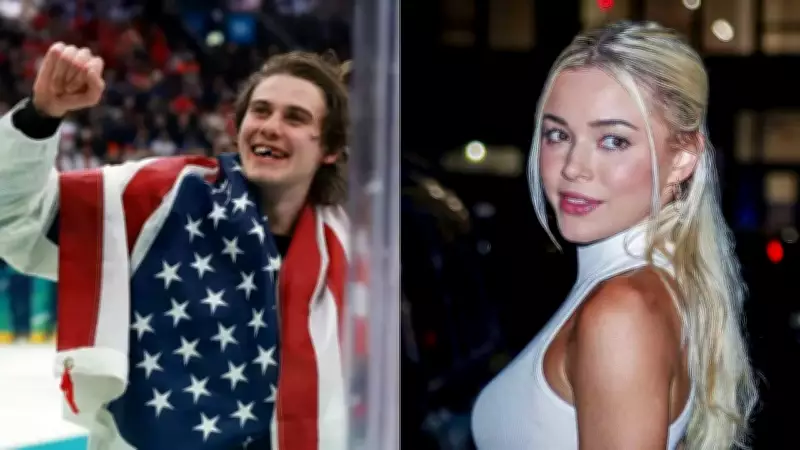
Almost immediately after the SNL segment aired, former LSU gymnast Livvy Dunne drew attention by liking an Instagram post from @brwsportts that highlighted the cameo. Dunne, who has built a massive online following through her athletic career and social media presence, made this subtle gesture of support that did not go unnoticed by fans and observers.
While Dunne did not make any public statement about her action, the simple Instagram like served as a quiet endorsement of the women hockey players' message. In the age of social media influence, such gestures from high-profile athletes can amplify conversations and bring additional attention to underlying issues in sports culture.
Broader Implications for USA Hockey
This series of events demonstrates that even Olympic gold medals cannot permanently settle conversations about respect, recognition, and gender equity in sports. For the Hughes brothers, the SNL appearance represented another moment in the spotlight during a busy winter of celebrations. For Dunne, it provided an opportunity to show solidarity through minimal but meaningful action.
The situation highlights how modern sports narratives extend beyond competition results into cultural commentary, with athletes using various platforms—from presidential appearances to late-night television to social media—to shape conversations about their sports and their place within them.
As USA hockey continues to celebrate its dual gold medal achievements at the 2026 Winter Games, the community must navigate these nuanced discussions about recognition and respect that persist even in moments of triumph. The SNL segment and subsequent social media reactions suggest these conversations will continue evolving as athletes find new ways to express their perspectives and experiences.