As Ludhiana steps into 2026, a city celebrated for producing national and international sporting talent is facing a critical juncture. Residents and sports enthusiasts are voicing a unified demand: a significant and sustained push to upgrade and maintain the city's sports infrastructure. While existing facilities have nurtured champions, the current focus is on expanding access and ensuring quality for both athletes and the general public.
Existing Infrastructure: A Foundation Needing Reinforcement
Ludhiana's sporting landscape is already home to notable establishments. These include the Guru Nanak Stadium, the Sports Authority of India (SAI) training centre, and various sports grounds. The Punjab Agricultural University (PAU) also boasts astroturf facilities. However, the prevailing sentiment among citizens is that mere presence is not enough. The priority for 2026 must be a dual approach: increasing the number of facilities while guaranteeing the sustained maintenance and upgrade of current ones.
Several key venues have been languishing, awaiting attention. A shooting range, a weightlifting centre, and multiple sports courts situated under flyovers are highlighted as facilities in dire need of renovation and routine care. Enthusiasts consistently warn that without focused efforts, these spaces risk becoming inadequate for training athletes effectively.

Official Plans and Public Concerns
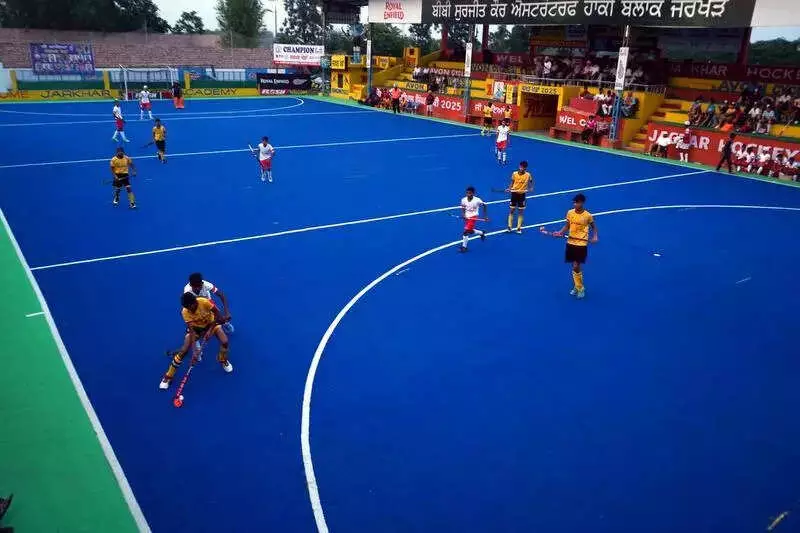
District sports officer Kuldeep Chugh assured that the sports department and government are working responsibly. He pointed to recent developments like the indoor basketball courts at Guru Nanak Stadium and the hockey astroturf at PAU. Chugh also revealed that installation has begun for a new gym with modern equipment at Guru Nanak Stadium. Future plans include the development of volleyball and tennis courts in the city. "This year, we plan sports infrastructure development and promoting health and fitness," he stated.
Despite these plans, the public sees gaps. J P Singh, a retired PCS officer and sports enthusiast, argues that most existing facilities are monopolized by selected teams and players. He emphasizes that the current infrastructure is inadequate for the city's large population and evolving needs, calling for improvements in both quantity and quality. Singh stressed the urgent need for more open grounds where residents, especially children, can play safely.
The Call for Inclusive and Accessible Sports Spaces
Another significant concern revolves around accessibility. Resident Harsh Kansal noted a rise in private sports venues, but these require paid access. He advocates for the sports department and government to develop similar multipurpose facilities with minimal or no fees. Kansal highlighted that while not everyone plays professionally, many engage in sports like cricket for recreation with family and friends. More government-developed multipurpose sports clubs, he believes, would perfectly serve this widespread need for casual, community-based sport.
The consensus is clear: as Ludhiana looks to 2026, the goal is to build not just for elite athletes but for every citizen. The challenge lies in transforming plans into well-maintained, public-friendly realities that match the city's proud sporting heritage with its future aspirations.